Top 10 Benefits of Non Woven Cloth Cutting Machines for Your Business?
In today's rapidly evolving textile industry, the efficiency of manufacturing processes plays a crucial role in business success. A report by the International Nonwovens and Disposables Association (INDA) indicates that the non-woven market is projected to grow by 6% annually, highlighting the increased investment in advanced machinery. One essential tool driving this growth is the non woven cloth cutting machine.
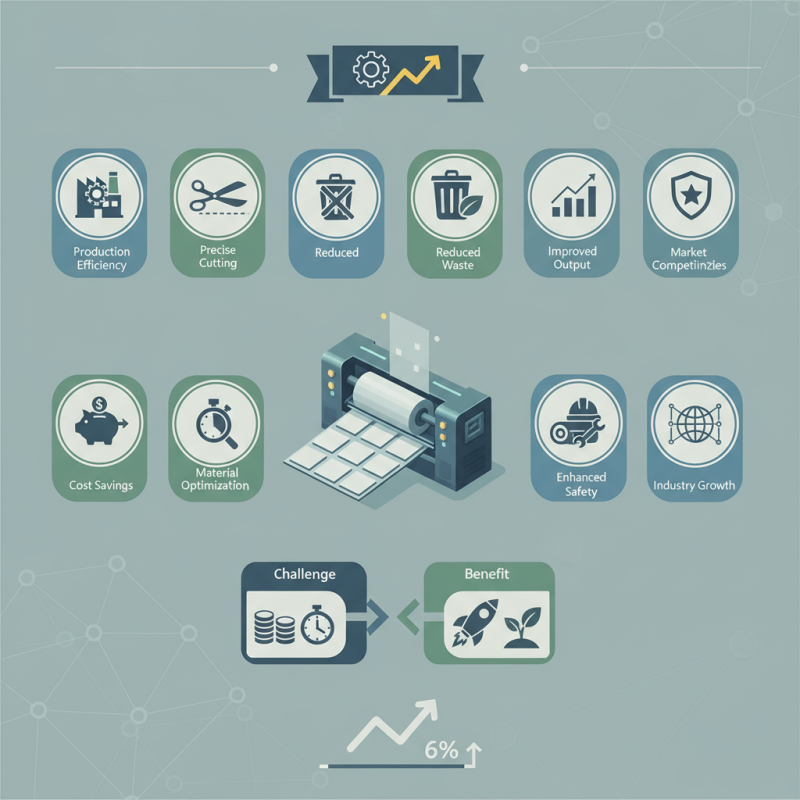
According to industry expert Dr. Emily Tran, "The adoption of non woven cloth cutting machines can significantly enhance production efficiency." This statement underscores the importance of modernizing equipment to meet market demands. These machines offer precise cutting, reduced waste, and improved output, making them indispensable for businesses aiming to stay competitive.
However, adopting advanced technology can be daunting for some companies. Initial investments can be high, and training staff might take time. Businesses must reflect on their unique needs and challenges. Selecting the right non woven cloth cutting machine requires careful consideration, but the long-term benefits often outweigh the hurdles. The promise of increased operational efficiency is too significant to ignore.
Benefits of Increased Efficiency in Non Woven Cloth Cutting Operations
In today's competitive market, efficiency is key.
Non woven cloth cutting machines can greatly enhance productivity. These machines streamline the cutting process in various industries. They reduce the time spent on manual cutting, which can be slow and inconsistent.
This improvement in speed allows businesses to meet higher demand without compromising quality.
The precision of automated cutting reduces material waste significantly.
Every cut is calculated and executed with accuracy. This leads to cost savings over time, as less material is wasted during production.
However, transitioning to these machines can require an adjustment period for staff. Training them on new technology is essential, yet it may take time to achieve full efficiency.
Moreover, while these machines bring many benefits, they are not infallible. Technical issues can arise, causing downtime.
Businesses must have a plan in place for maintenance and repairs.
It’s vital to continuously evaluate the impact of the machines on overall operations.
Understanding the balance between speed and quality can help in making informed decisions.
Enhancing Precision and Quality with Advanced Cutting Technology
Non-woven cloth cutting machines bring precision and quality to the textile industry. With advanced cutting technology, these machines offer various advantages to businesses. For example, they improve cutting accuracy, reducing waste. This means that every piece of cloth is utilized more efficiently.
When it comes to production, precision matters. A small error can cost time and money. Investing in the right machine can mitigate these risks. Tips for choosing the right equipment include researching features and user reviews. Pay attention to the machine's ability to handle different material types. This versatility is crucial for diverse projects.
Additionally, maintenance is key. Regular checks ensure that the machine performs optimally. Neglecting this may lead to unexpected downtimes. It’s wise to create a schedule for routine maintenance. A well-maintained machine can significantly enhance output quality over time. Remember, the right cutting technology can transform your production process.
Reducing Waste and Material Costs through Efficient Cutting Methods
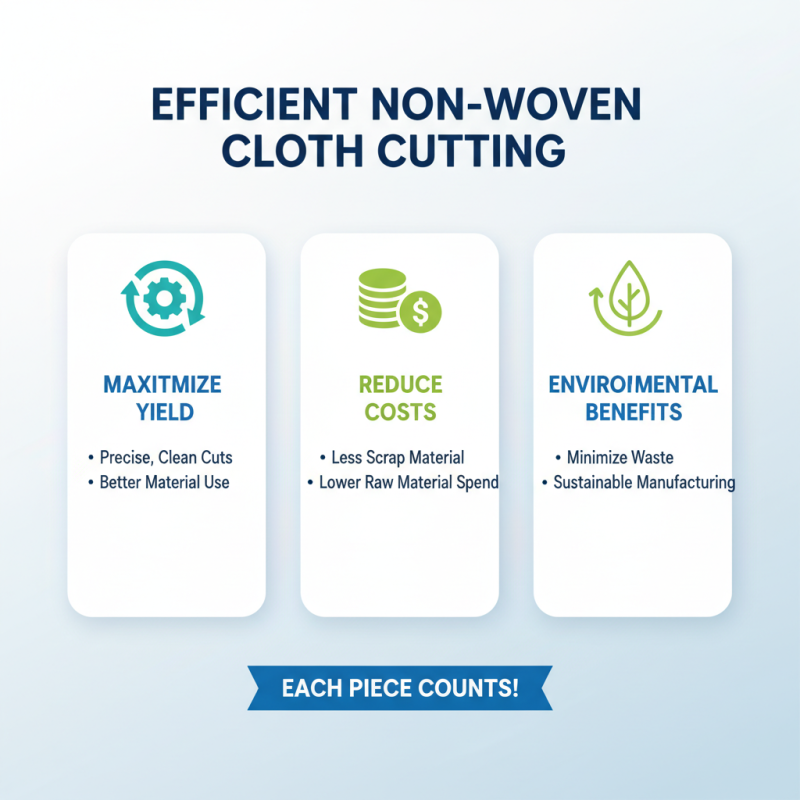
Efficient cutting of non-woven cloth can significantly reduce waste and material costs. By employing advanced cutting machines, businesses can achieve precise and clean cuts. This leads to better utilization of raw materials. The result? Less scrap material ends up in the trash. Reducing waste not only saves money but also benefits the environment. Each piece counts, and manufacturers can maximize yield.
Improper cutting methods can lead to excess waste. If a company overlooks this, the costs can add up. Efficient machines often come with features that minimize waste during production. They adjust for different material thicknesses and types. A small oversight in settings could lead to unnecessary scraps. While these tools are highly effective, they do require training. Without proper understanding, mistakes can occur.
Investing in cutting technology is crucial, but it’s not just about machines. Employees must adapt to new methods. The learning curve can introduce short-term waste if the workforce is not fully trained. Understanding where improvements can still be made is part of the process. Continuous evaluation of cutting strategies ensures the best outcome. Balancing innovation with practical experience is key for sustainable growth.
Versatility in Production: Adapting to Various Non Woven Materials
Non woven cloth cutting machines offer remarkable versatility in production. These machines adapt to various non woven materials. Manufacturers can work with spunbond, meltblown, and more. Each material has unique characteristics. This adaptability increases efficiency and widens product offerings.
With a non woven cloth cutting machine, businesses can easily switch materials. This means reducing downtime during production changes. However, some companies struggle with optimizing settings for different fabrics. This can lead to inconsistent cut quality. Careful adjustments are necessary but time-consuming.
The ability to process multiple materials is crucial. This flexibility helps businesses respond to market demands quickly. Yet, some manufacturers may find it challenging to keep up with the pace of innovation. Those who can adapt will thrive. It's a balancing act between efficiency and quality. Embracing this technology is key but requires constant evaluation and improvement.
Improving Labor Dynamics and Safety in the Cutting Process
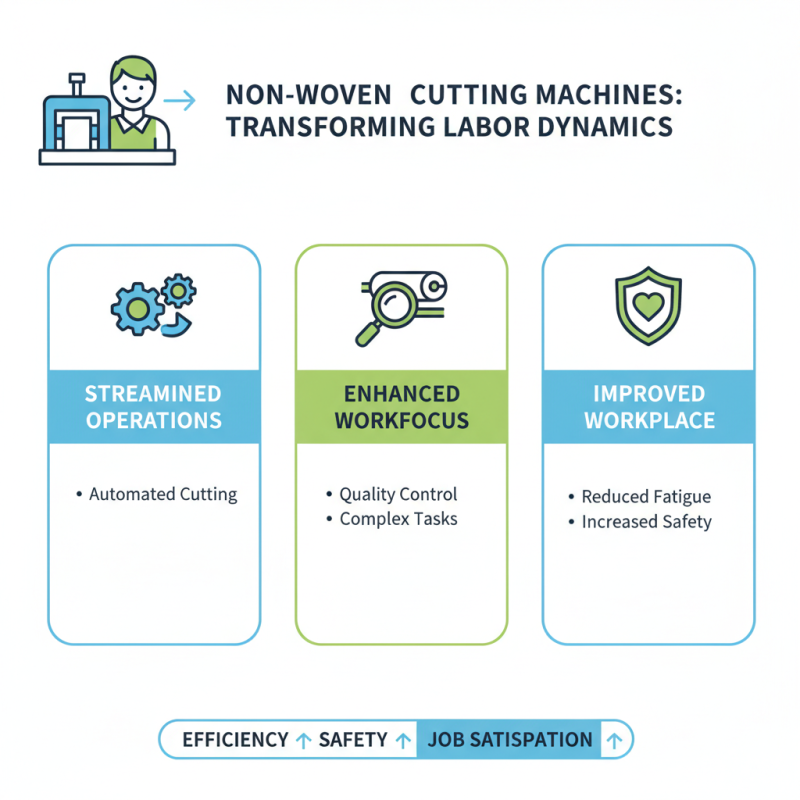
Non woven cloth cutting machines bring significant advantages to improving labor dynamics in the cutting process. These machines streamline operations, allowing workers to focus on complex tasks. With automated cutting, the workload shifts from heavy manual labor to machine oversight. Workers can now concentrate on quality control, reducing fatigue and potential injuries. This change enhances efficiency and creates a safer work environment, where the risk of accidents is minimized.
Safety is a core benefit when using cutting machines. Traditional methods often involve sharp tools and repetitive motions, increasing the chance of injuries. In contrast, non woven cloth cutting machines use advanced technology to handle cuts smoothly. They can be programmed for precision, reducing errors and waste. This safety shift leads to a more positive workplace culture, where employees feel valued and protected.
However, transitioning to automated solutions may come with challenges. Workers might require training to operate new machines effectively. Adjusting to this technology can be daunting. Perhaps not everyone will adapt quickly, leading to initial disruptions. It’s crucial to address these gaps to ensure staff feel confident and safe while using new equipment.