Top Non Woven Supplier Benefits for Your Business Growth?
In the fast-evolving landscape of manufacturing, choosing the right non woven supplier is critical for business growth. The global non-woven fabrics market is projected to reach over $42 billion by 2027, demonstrating a compound annual growth rate (CAGR) of approximately 6.7%. Many companies overlook key benefits that a reliable non woven supplier can offer.
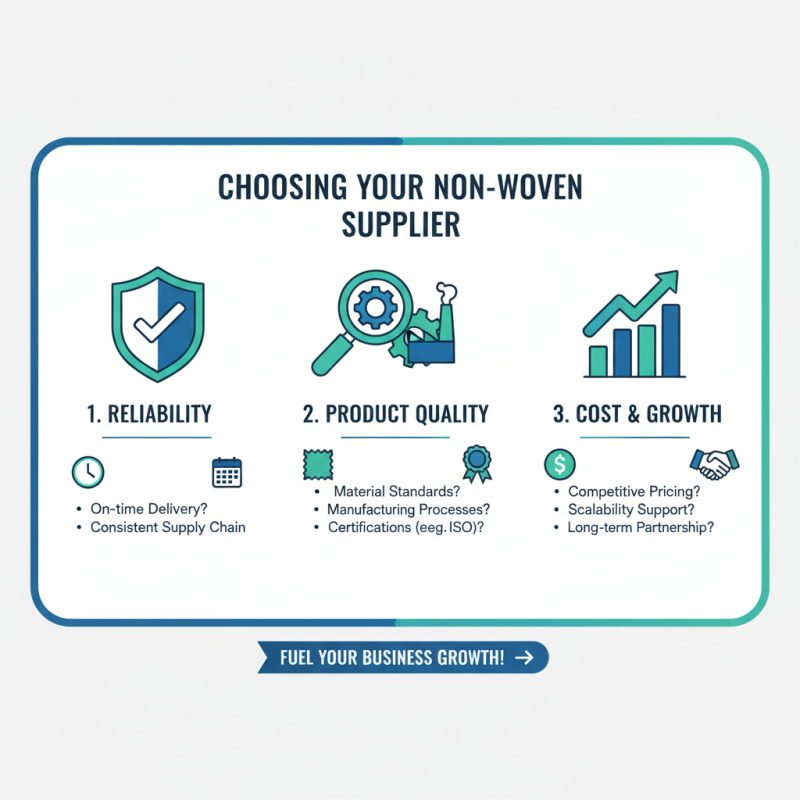
A dependable supplier brings consistency and quality assurance to production lines. Industries, from healthcare to automotive, rely heavily on non woven materials for various applications. However, not all suppliers meet the same standards. Some businesses struggle with delays and inconsistent product quality, harming their reputation. It’s essential to evaluate suppliers thoroughly and reflect on past challenges. This can lead to better decision-making in supplier selection.
Investing time in understanding supplier capabilities may yield unexpected advantages. Suppliers that provide innovation and customization create value beyond pricing. Yet, it's vital to remain cautious about becoming overly dependent on one source. Balancing supplier relationships can enhance resilience and promote growth in a competitive market.
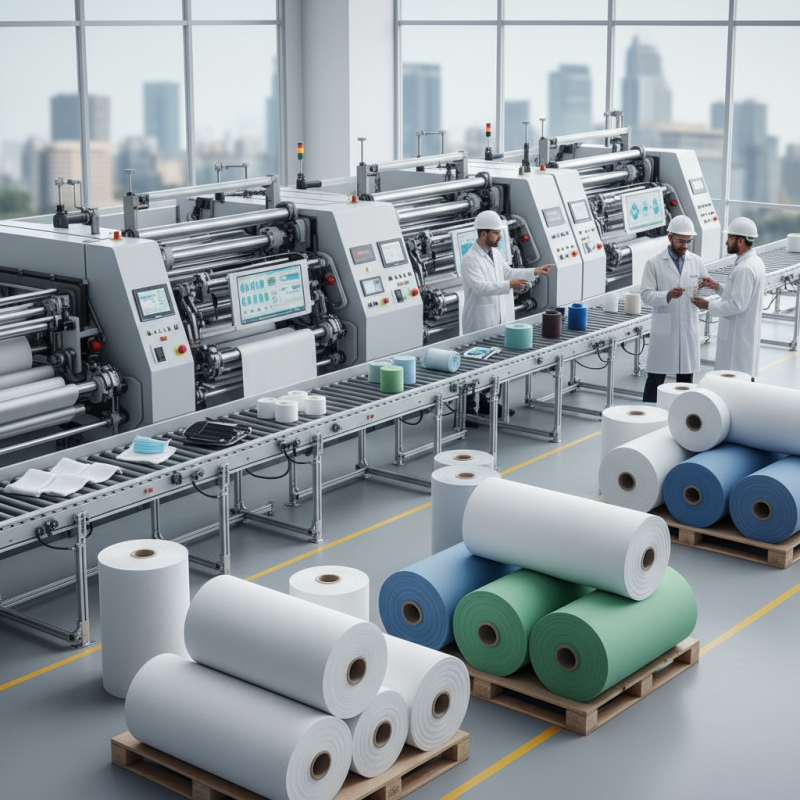
Understanding Non-Woven Fabrics: Definition and Types
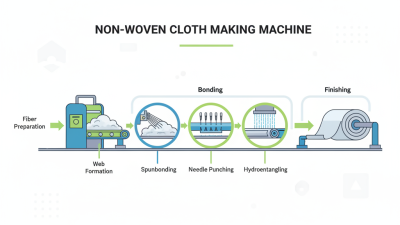
Non-woven fabrics are engineered textiles made from synthetic or natural fibers. These materials are created by binding fibers together using various methods, including heat, chemical, or mechanical processes. Some common types of non-woven fabrics include spunbond, meltblown, needlepunch, and hydroentangled fabrics. Each type has unique properties and applications, making non-woven fabrics versatile for various industries.
In recent years, the global non-woven fabric market has shown significant growth. According to industry reports, the market size is projected to surpass $50 billion by 2027. This growth can be attributed to the increasing demand in hygiene products, medical applications, and filtration systems. For businesses looking to expand, non-woven fabrics provide adaptability in design and function.
Tip: Assess the specific applications of non-woven fabrics for your niche. Understanding these details can lead to improved product offerings.
However, while non-woven fabrics offer many benefits, challenges remain in their environmental impact. The production process can involve harmful chemicals, contributing to pollution. Additionally, many non-woven items are single-use, heightening waste concerns. Business leaders must ponder sustainable practices while leveraging non-woven fabrics.
Tip: Explore eco-friendly options in materials and production processes to align with growing sustainability trends. This initiative can improve your brand's reputation.
Key Advantages of Partnering with Non-Woven Suppliers
Partnering with non-woven suppliers can significantly enhance your business growth. The non-woven fabric market is projected to grow by over 6% annually, driven by increasing demand across various sectors. This growth presents an opportunity for companies to innovate and adapt to consumer needs.
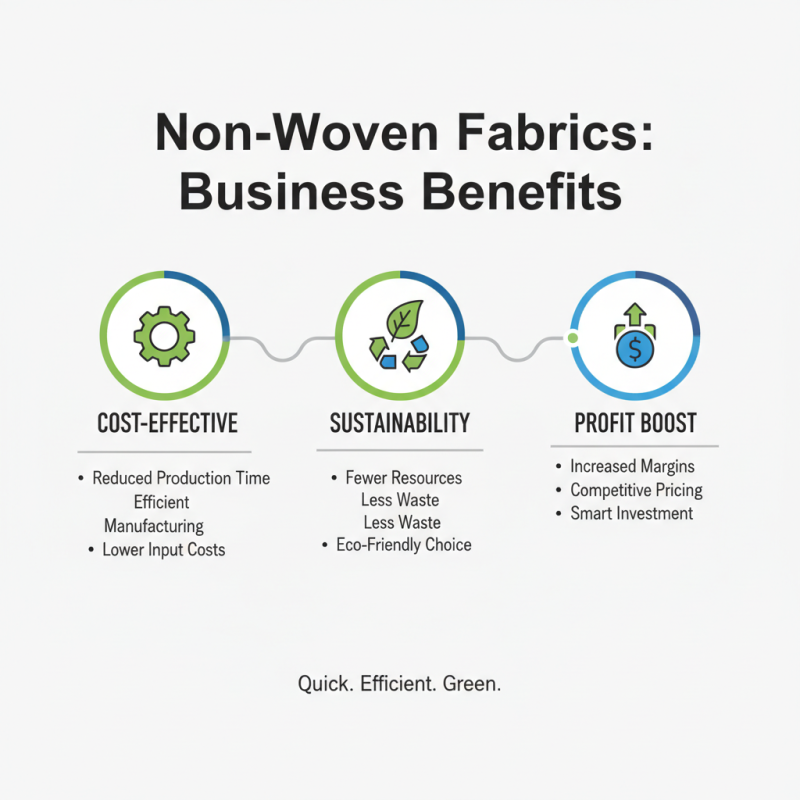
One key advantage is the cost-effectiveness of non-woven materials. These fabrics are often cheaper to produce than traditional textiles. According to recent industry reports, non-woven products can reduce manufacturing costs by up to 20%. This reduction helps businesses allocate resources more efficiently, investing in areas like marketing or product development.
Sustainability is another crucial factor in this partnership. Non-woven suppliers increasingly focus on eco-friendly materials. The Global Nonwovens Association reports that about 30% of non-woven production now incorporates recycled fibers. However, the shift may challenge companies that are less adaptable. Some businesses struggle to find suitable non-woven options that meet their sustainability goals while maintaining quality. Adjusting to this change can elevate a brand’s marketability and attract environmentally conscious consumers. Balancing cost and sustainability remains a critical reflection point for many in the industry.
Top Non Woven Supplier Benefits for Your Business Growth?
| Benefit |
Description |
Impact on Business Growth |
| Cost Efficiency |
Reduced raw material costs due to efficient manufacturing processes. |
Increases profit margins and allows competitive pricing. |
| Customization |
Ability to create tailored products based on specific needs. |
Enhances customer satisfaction and loyalty. |
| Sustainability |
Use of eco-friendly materials and processes. |
Attracts environmentally conscious consumers and boosts brand reputation. |
| Quick Turnaround |
Faster production times leading to shorter lead times. |
Improves operational efficiency and response to market demands. |
| Innovative Solutions |
Access to new technologies and materials. |
Enhances product offerings and market competitiveness. |
Impact of Non-Woven Materials on Product Quality and Performance
Non-woven materials play a pivotal role in enhancing product quality and performance across various industries. In recent studies, it has been found that non-woven fabrics can improve durability by up to 25% compared to traditional materials. Their unique structure allows for better breathability and moisture control, essential for applications in medical supplies and personal protective equipment.
One major advantage is their lightweight nature. This characteristic can significantly reduce shipping costs and improve handling efficiency. For instance, non-woven disposables are often lighter by 30-50% than their woven counterparts. However, the inconsistency in quality can be a concern. Not all suppliers provide the same standards, leading to variable outcomes in final products. As businesses aim for growth, ensuring a reliable supply chain becomes paramount.
Furthermore, non-woven materials are highly versatile. They can be engineered for specific functions, such as filtration, insulation, or strength. According to a recent report, the global non-woven fabrics market is projected to reach $50 billion by 2027, highlighting their growing significance. Despite this potential, businesses must invest in research and quality assurance to overcome challenges related to recycling and sustainability in this rapidly evolving market.
Impact of Non-Woven Materials on Product Quality and Performance
This bar chart illustrates the impact levels of various benefits of non-woven materials on product quality and performance. As seen, versatility and durability have the highest impact, reflecting their significance in driving business growth.