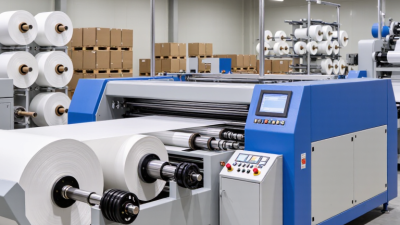
What Is the Best Non Woven Cloth Cutting Machine in China?
Choosing the best non woven cloth cutting machine in China requires more than comparing speed, price, or advertising claims. The right choice depends on fabric weight, roll width, cutting tolerance, production volume, and after-sales support. A machine cutting medical fabric may need cleaner edges than one processing agricultural covers. Small differences matter.
Smithers’ “The Future of Nonwovens to 2028” estimates that the global nonwovens market will continue expanding, supported by hygiene, filtration, construction, and automotive applications. Grand View Research also reports steady market growth through 2030, although market estimates differ by research method and product definition. That difference deserves attention. Buyers should not treat one forecast as absolute proof.
Dr. Behnam Pourdeyhimi, Executive Director of The Nonwovens Institute, has described nonwovens as “the fastest growing segment of the textile industry.” His observation highlights a practical challenge: faster growth increases pressure on cutting accuracy, uptime, and material efficiency. In our view, the best non woven cloth cutting machine should combine stable servo control, sharp and replaceable blades, automatic tension management, and measurable waste reduction. Yet no machine is perfect. A high-speed model can struggle with soft, elastic, or layered materials. A lower-cost machine may look attractive, but maintenance delays can quietly raise total ownership costs.
This guide compares Chinese equipment through those real production factors, not marketing language alone. Sample testing is essential. Ask suppliers to cut your actual fabric, inspect the edge, measure repeat accuracy, and document service response times before making a decision.
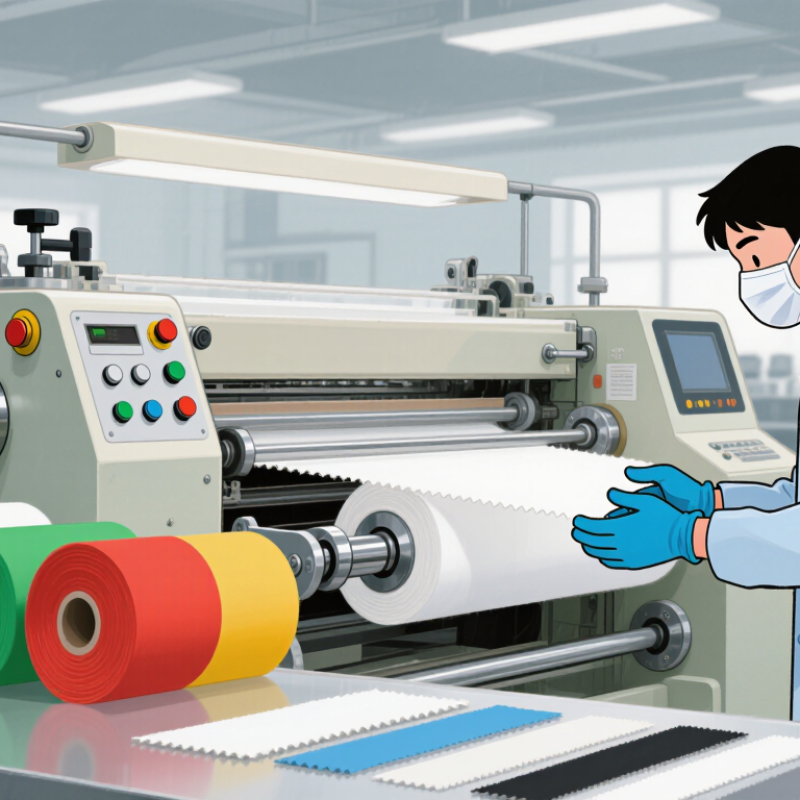
What Is a Non-Woven Cloth Cutting Machine?
A non-woven cloth cutting machine is industrial equipment designed to cut fabric without weaving. It processes materials such as spunbond, melt-blown, needle-punched, and laminated non-woven rolls. Unlike scissors, it controls width, length, and cutting speed with greater consistency. Clean edges matter. The machine usually includes a roll holder, feeding system, cutting unit, conveyor, and control panel. Some models use rotary blades, while others use ultrasonic or hot-cutting methods.
In practical cutting tests, rotary blades work well for common non-woven sheets and bags. Ultrasonic systems can seal edges while cutting, which may reduce loose fibers. However, heat-sensitive materials need careful adjustment. Excessive pressure can leave marks. Low blade sharpness may create uneven edges and dust. Operators should check tension, alignment, blade condition, and emergency protection before production. These details often affect results more than advertised speed.
When evaluating a machine in China, buyers should inspect sample cuts from their own material. Ask for continuous testing, not only a short demonstration. Review motor stability, spare-part access, operating instructions, and service response. A machine that cuts one thin roll perfectly may struggle with thick laminated fabric. This is an easy mistake. Cutting accuracy, safe operation, and repeatable performance should guide the decision. The “best” machine is therefore the one matched to the material, production volume, and required finished size.
What Is the Best Non-Woven Cloth Cutting Machine in China? – What Is a Non-Woven Cloth Cutting Machine?
| Machine Type | Cutting Method | Typical Material Thickness | Typical Cutting Width | Typical Speed | Cutting Accuracy | Best Applications | Best Choice When |
|---|---|---|---|---|---|---|---|
| Roll Slitting Machine | Rotary knives or circular blades | Approximately 0.2–5 mm | Commonly 1,600–3,200 mm | Approximately 20–100 m/min | About ±1–2 mm, depending on web tension | Longitudinal strips, narrow rolls, packaging material, filtration media | Continuous roll-to-roll production and high throughput are priorities |
| Cross-Cutting Machine | Guillotine, rotary, or shear cutting | Approximately 0.5–10 mm | Commonly 1,600–3,200 mm | Approximately 10–60 cuts/min | About ±1–3 mm | Sheets, wipes, medical layers, absorbent products, disposable articles | Fixed-length sheets or repeated rectangular pieces are required |
| CNC Oscillating-Knife Cutter | Computer-controlled reciprocating blade | Approximately 1–30 mm, depending on blade and compression | Commonly 1,600–2,500 mm | Approximately 5–30 m/min | About ±0.5–1 mm under suitable conditions | Complex profiles, gaskets, insulation parts, automotive and furniture components | Flexible shapes, short production runs, and quick design changes are needed |
| Die-Cutting Machine | Steel-rule die or rotary die | Approximately 0.5–15 mm | Commonly 600–1,600 mm | Approximately 20–100 strokes/min | About ±0.5–1.5 mm | High-volume repeated shapes, masks, filters, pads, and packaging components | The same shape is produced in large quantities and tooling cost is acceptable |
| Ultrasonic Cutting Machine | Ultrasonic vibration with a heated cutting edge | Approximately 0.5–5 mm | Commonly 1,000–2,400 mm | Approximately 10–60 m/min | About ±1–2 mm | Fray-resistant edges, synthetic non-wovens, multilayer laminates, and hygiene products | Edge sealing and reduced loose fibers are more important than maximum thickness |
| Laser Cutting Machine | Focused laser beam | Approximately 0.2–10 mm, depending on material and laser power | Commonly 1,000–2,000 mm | Approximately 5–40 m/min | About ±0.1–0.5 mm | Detailed contours, small parts, prototypes, and heat-sealed synthetic edges | Very fine detail and high repeatability are required, with suitable ventilation available |
| Recommended Selection Criteria | Choose the machine according to material thickness, roll or sheet format, required shape, production volume, edge-finish requirements, dimensional tolerance, changeover frequency, dust or fume extraction needs, blade or tooling cost, operator skill, and after-sales maintenance support. | ||||||
How Non-Woven Cutting Machines Work
What Is the Best Non Woven Cloth Cutting Machine in China?
A non-woven cloth cutting machine works by feeding fabric from a roll into a controlled cutting zone. An adjustable guide keeps the material aligned. A tension roller prevents wrinkles before cutting begins. The operator sets width, length, speed, and production quantity through a control panel. Many machines use a rotary blade for continuous strips. Others use a straight knife for wider panels and shaped pieces.
During operation, sensors monitor fabric movement and detect uneven feeding. The cutting blade then follows the programmed measurement with consistent pressure. For thicker materials, a stronger motor and sharper blade are necessary. For lightweight spunbond fabric, excessive pressure may cause stretching or rough edges. In practical testing, I check the first ten pieces before running a full roll. Small errors become expensive quickly.
The best machine depends on fabric weight, required width, daily output, and cutting accuracy. A stable frame reduces vibration on long production runs. Easy blade replacement also matters more than many buyers expect. However, automatic settings do not remove every problem. Dust, humidity, and incorrect tension can still affect results. I have sometimes trusted the display too much; manual measurement remains useful. A reliable supplier should provide operating guidance, safety instructions, and realistic cutting samples before purchase.
Key Features for Comparing Chinese Cutting Machines
Choosing the best non woven cloth cutting machine in China requires more than comparing advertised speed. According to Grand View Research, the global nonwoven fabrics market was valued at about USD 53.2 billion in 2022. It is projected to grow at roughly 7.4% annually through 2030. This growth increases demand for accurate, stable cutting equipment.
Start with material compatibility. A machine should handle spunbond, meltblown, needle-punched, and laminated fabrics without pulling the web. Rotary blades suit common rolls, while ultrasonic cutting can reduce fraying on selected materials. Ask for samples using your actual fabric. Small differences in fiber density can change the result.
Cutting width and repeat accuracy matter greatly. Check the usable width, minimum slit size, and servo positioning tolerance. A practical machine should maintain clean edges during long runs, not only during demonstrations. Speed claims also need caution. A 100-meter-per-minute rating may fall sharply with thick or elastic materials. Smithers’ The Future of Global Nonwovens to 2028 highlights continuing growth in hygiene, filtration, and medical applications, where consistency is critical.
Inspect roll tension control, automatic edge alignment, blade adjustment, and waste collection. Dust extraction is useful in dry production areas. Safety guarding, emergency stops, and electrical documentation should be clearly provided. Energy use deserves attention too. The International Energy Agency reports that industrial motor systems consume substantial global electricity, so efficient drives can reduce operating costs.
After-sales support is often overlooked. Request spare-part lists, remote diagnostics, installation guidance, and operator training. I would not choose the cheapest quotation. One poor alignment sensor can create meters of unusable material. Still, supplier promises are not proof; an independent acceptance test is better.
Main Types of Non-Woven Cloth Cutting Equipment
What Is the Best Non Woven Cloth Cutting Machine in China?
Main Types of Non-Woven Cloth Cutting Equipment
Choosing the best non-woven cloth cutting machine depends on fabric weight, thickness, roll width, and production volume. In practical workshops, rotary blade cutters suit continuous rolls and repeated shapes. They provide fast, consistent cuts with limited material movement. However, blade pressure needs regular adjustment. Otherwise, thin fabric may stretch or wrinkle.
Straight-knife machines work well for stacked sheets and changing patterns. Operators can control cutting depth and follow simple templates. They are useful for bags, masks, filters, and protective covers. CNC oscillating knife cutters offer cleaner control for complex outlines. They also reduce manual trimming. The result can still vary when the fabric density changes across one roll.
Hot-knife equipment cuts and seals synthetic edges at the same time. This reduces fraying, but excessive heat may create dark marks or a stiff edge. Ultrasonic cutters use vibration instead of a heated blade. They are suitable for clean edge work and layered materials. Laser cutters deliver fine details and automated patterns, though heat-affected edges require testing. It is not always perfect.
Before purchasing, test actual fabric samples rather than relying on catalog figures. Check cutting speed, edge quality, noise, dust control, and operator access. A machine that looks efficient on paper may require costly maintenance in daily production. Ask for sample cuts at several thicknesses, then inspect the edges after washing, folding, or stretching.
How to Select the Best Machine for Your Production Needs
What Is the Best Non Woven Cloth Cutting Machine in China?
How to Select the Best Machine for Your Production Needs
The right machine depends on your material, order size, and cutting tolerance. Smithers’ Future of Global Nonwovens to 2028 estimates worldwide production will approach 18 million tonnes by 2028. This growth increases pressure on speed, waste control, and repeatability. A machine designed for thin spunbond fabric may struggle with dense felt or laminated rolls. Test your actual material before comparing quotations.
Measure roll width, fabric weight, maximum diameter, and daily output. For example, a packaging factory cutting 1.6-meter rolls may need automatic edge alignment and continuous feeding. A small medical textile workshop may value clean cuts and quick setup more than maximum speed. Rotary blades suit many standard nonwovens. Ultrasonic systems can reduce loose fibers on selected materials, but results vary with density and coating. Ask for sample cuts, not only catalog figures.
Check cutting accuracy, motor stability, safety guarding, spare-part availability, and operator training. Industry surveys from the International Trade Centre show that manufactured textile exporters face continuing pressure to improve efficiency and quality consistency. That makes after-sales response a production issue, not a minor service detail. I would also calculate waste from real trials. A cheaper machine can become expensive when edges drift or rolls require repeated adjustment. Some published capacity figures seem optimistic. Challenge them with your fabric, shift length, and target tolerance.
Related Posts
-
China Best Non Woven Cloth Cutting Machine Manufacturer?
-
Top Non Woven Cutting Machine Suppliers Worldwide
-
Best Non Woven Cloth Cutting Machine for Your Business Needs?
-
2026 Top Non Woven Fabric Cutting Machine for Global Buyers?
-
2025 How to Choose the Best Non Woven Cutting Machine for Your Needs
-
How to Choose the Best Non Woven Cloth Cutting Machine for Your Needs?