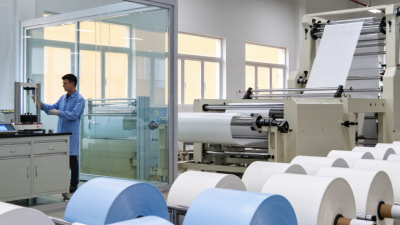
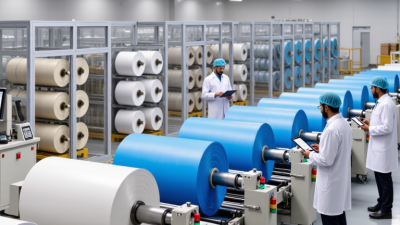
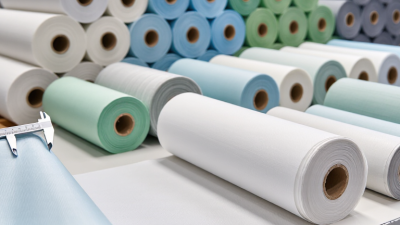
China Top Non Woven Fabric Manufacturers for Global Buyers
China Top Non Woven Fabric Manufacturers for Global Buyers begins with a practical question: who can deliver consistent fabric, not only attractive samples? China remains a major production base for spunbond, meltblown, needle-punched, spunlace, and SMS nonwovens. Its factories serve hygiene, medical, filtration, agriculture, packaging, and construction markets. Yet supplier selection requires more than comparing prices.
Dr. Behnam Pourdeyhimi, executive director of The Nonwovens Institute, has often emphasized, “Nonwovens are everywhere.” That observation reflects the industry’s broad influence. A reliable manufacturer may support a hospital gown, a crop cover, or the soft layer inside a baby diaper. Each application demands different fiber blends, basis weights, tensile strength, and fluid behavior. Small changes matter.
This guide introduces leading Chinese manufacturers for international buyers. It considers production experience, technical capability, quality systems, export communication, and customization support. Factory scale is useful. It is not everything. A smaller producer may offer better development support, while a large plant may provide steadier volume and wider equipment options. Buyers should request recent test reports, production samples, material specifications, and clear delivery terms. Visiting the factory can reveal details that brochures hide, including storage conditions, line cleanliness, and roll packaging.
The non woven fabric industry changes quickly. New materials appear, but not every innovation suits every market. Some supplier rankings also remain imperfect because public data can be limited. Careful verification is still necessary. This overview aims to make that process more practical, transparent, and grounded in real purchasing decisions.
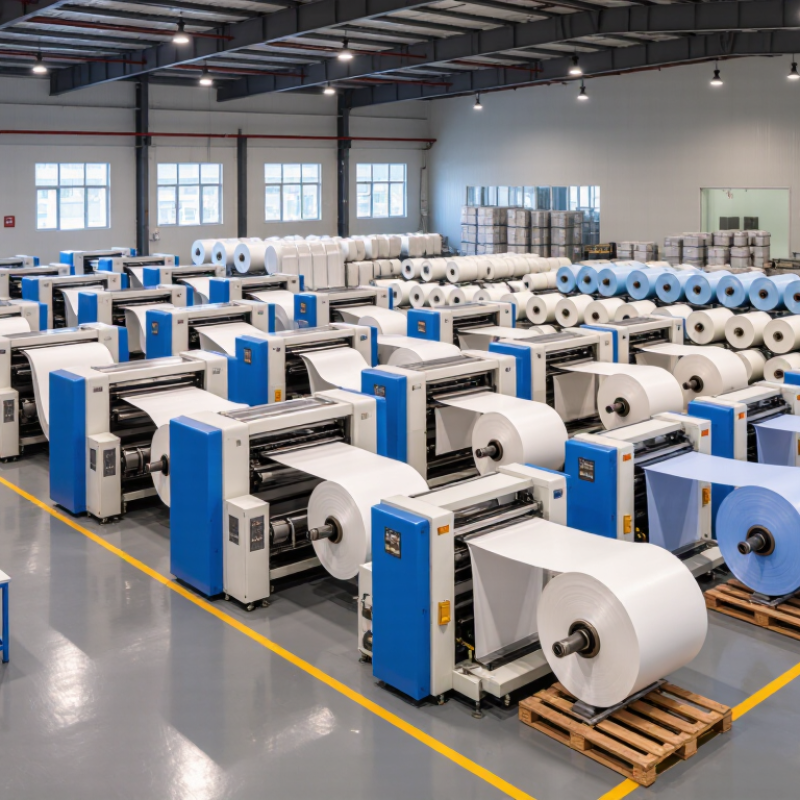
Nonwoven Fabric Basics: Spunbond, Meltblown, Spunlace, and Needle-Punch
Nonwoven fabric is engineered without weaving yarns into a traditional grid. Instead, fibers are bonded through heat, pressure, chemicals, water, or mechanical action. For global buyers, this difference affects softness, strength, filtration, absorbency, and production cost. China’s manufacturing base offers broad options, but technical matching still requires careful verification.
Spunbond fabric
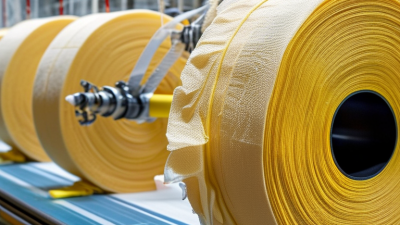
uses continuous filaments bonded by heat. It feels light, resists tearing, and suits bags, hygiene layers, agricultural covers, and packaging.
Meltblown fabric
uses extremely fine fibers and provides strong filtration performance. Its quality depends on fiber diameter, air control, electrostatic treatment, and stable production conditions.
Spunlace fabric
bonds fibers with high-pressure water jets. It feels soft and drapes well, making it useful for wipes, medical textiles, and personal-care products.
Needle-punch fabric
is mechanically entangled with barbed needles. It provides thickness, resilience, and sound absorption for filtration, automotive parts, and geotextiles.
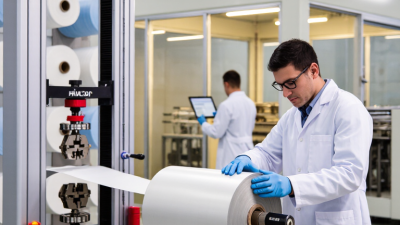
In practical sourcing, I would request samples from different production lots, not one attractive roll. Check basis weight, thickness, tensile strength, air permeability, absorbency, and color consistency. Ask for test methods and calibrated equipment records. One common mistake is choosing by price before defining the end use. That decision often creates waste later. No specification is perfect at first. Field trials may reveal unexpected lint, odor, or edge curling. Reliable manufacturers should discuss these weaknesses openly and adjust fiber blends, bonding energy, or finishing conditions when evidence supports the change.
Global Market Scale: Nonwovens Reached $57.4 Billion in 2023 (Smithers)
Global nonwoven fabric demand has entered a significant industrial phase. Smithers reported that the market reached 57.4 billion dollars in 2023. This figure reflects growing use in hygiene products, medical materials, filtration, construction, agriculture, and packaging. It also shows why global buyers are examining China’s manufacturing capacity more closely.
China-based manufacturers often provide broad production options, including spunbond, meltblown, needle-punched, and laminated materials. Buyers should compare basis weight, tensile strength, air permeability, softness, and moisture resistance. A factory should provide clear technical data sheets and lot-specific test reports. Ask for production samples from different batches.
A practical sourcing review may include raw material records, process controls, packaging methods, and shipment history. Factory audits, video inspections, and independent laboratory testing can strengthen confidence. Buyers should also confirm applicable market requirements before placing an order. A low price means little if thickness varies across a roll or the fabric sheds during use.
A polished sample can mislead. No supplier is perfect. Even experienced teams may overlook storage humidity or carton compression. For this reason, written specifications, retained samples, and corrective-action records are valuable. Reliable manufacturers respond with evidence, not broad promises. That discipline helps global buyers match large market demand with stable, usable fabric.
China’s Industry Scale: 19.2 Million Tonnes Produced in 2023 (CNITA)
China Top Non Woven Fabric Manufacturers for Global Buyers
China’s Industry Scale: 19.2 Million Tonnes Produced in 2023 (CNITA)
China’s non woven fabric industry produced 19.2 million tonnes in 2023, according to CNITA. This scale gives global buyers broader access to spunbond, meltblown, needle punched, and other material options. Large production capacity can support stable supply, but it does not guarantee consistent quality. Details matter.
From practical sourcing experience, serious buyers should inspect fiber composition, basis weight, tensile strength, and roll appearance. A fabric roll may look uniform under warehouse lighting, yet show weak edges during cutting. Production records, laboratory reports, and sample approvals help reduce this risk. Still, no document replaces a clear inspection process. I would not treat one successful sample as final proof.
Tips: Request samples from different production batches. Confirm width tolerance, packaging protection, lead time, and minimum order quantity in writing. Ask how the factory handles moisture, dust, and rejected rolls. A short production trial can reveal problems earlier than a large shipment. Keep specifications simple and measurable. Vague terms create avoidable disputes.
Buyer Evaluation Metrics: GSM, Strength, MOQ, Lead Time, and Cost
China Top Non Woven Fabric Manufacturers for Global Buyers
Global buyers should evaluate non woven fabric beyond the quoted price. GSM affects thickness, coverage, softness, and material usage. A 25 GSM sheet may suit lightweight packaging, while 80 GSM offers greater body. Confirm GSM through random samples, not only specification sheets. Fabric strength should be checked in both machine and cross directions. This matters when rolls face tension, folding, or stitching during production.
Tips: Request sample rolls, test reports, and production photos. Compare at least three suppliers using identical requirements. Ask whether test results come from internal laboratories or independent facilities. MOQ can influence inventory risk, especially for customized colors or widths. Lead time should include raw material preparation, production, inspection, and loading. A supplier promising seven days may exclude several practical steps. Cost comparisons should include packaging, tooling, freight preparation, and possible inspection fees.
Experienced buyers often record results in a simple evaluation table. Note GSM tolerance, tensile strength, elongation, MOQ, delivery days, and total landed cost. Check whether the factory can repeat the same quality across multiple batches. A low first-order price can become expensive when defects delay conversion. I have seen buyers focus heavily on GSM and overlook uneven edges or weak roll winding. That judgment is understandable, but incomplete. Factory communication also deserves a score. Clear replies, traceable documents, and honest limitations usually indicate stronger reliability. No supplier performs perfectly. The useful question is whether problems are measured, explained, and corrected.
China Top Non Woven Fabric Manufacturers for Global Buyers - Buyer Evaluation Metrics: GSM, Strength, MOQ, Lead Time, and Cost
| Fabric Category |
Typical Polymer / Fiber |
Common GSM Range |
Typical Tensile Strength
(N/5 cm, MD) |
Typical MOQ
(kg per color/specification) |
Standard Lead Time
(calendar days) |
Indicative Export Cost
(USD/kg) |
Buyer Evaluation Notes |
| Spunbond Nonwoven |
PP |
10–150 gsm |
35–125 |
500–1,000 |
15–25 |
1.35–2.20 |
Suitable for packaging, agriculture, hygiene backsheet, and disposable products. Confirm width, color tolerance, and roll length. |
| Meltblown Nonwoven |
PP |
15–100 gsm |
8–35 |
300–800 |
15–30 |
2.20–4.80 |
Performance depends strongly on filtration efficiency, air permeability, fiber diameter, and electrostatic treatment. |
| SMS / SMMS Composite |
PP spunbond + meltblown |
25–80 gsm |
45–110 |
500–1,000 |
20–35 |
2.10–4.20 |
Used for medical gowns, coveralls, and protective applications. Request hydrostatic pressure and breathability test results. |
| Spunlace Nonwoven |
Viscose, polyester, or blend |
35–120 gsm |
50–180 |
1,000–3,000 |
25–40 |
1.80–3.80 |
Common for wipes and personal-care products. Evaluate absorbency, lint level, wet strength, softness, and fiber composition. |
| Needle-Punched Nonwoven |
Polyester, PP, or recycled fiber |
100–1,500 gsm |
150–1,200 |
1,000–5,000 |
25–45 |
1.20–3.20 |
Used in filtration, automotive interiors, geotextiles, furniture, and carpet underlay. Check thickness, density, puncture resistance, and dimensional stability. |
| Thermobonded Nonwoven |
PP, polyester, or bicomponent fiber |
20–200 gsm |
40–220 |
800–2,000 |
20–35 |
1.60–3.00 |
Offers consistent thickness and good bulk. Compare bonding uniformity, loft recovery, heat resistance, and edge fraying. |
| Coated or Laminated Nonwoven |
PP, PET, PE, or TPU composite |
40–250 gsm |
80–350 |
1,000–3,000 |
30–50 |
2.40–5.50 |
Evaluate coating weight, peel strength, waterproof rating, seam performance, flexibility, and compatibility with the end-use process. |
Benchmark guidance: GSM means grams per square meter; tensile strength is shown in the machine direction and may vary by test method. MOQ, lead time, and cost are indicative China export benchmarks for standard specifications. Actual quotations depend on width, color, finishing, packaging, certification, order volume, trade terms, and raw-material prices.