Who Are the China Top 10 Airlaid Nonwoven Manufacturers?
Airlaid nonwoven manufacturers serve markets where softness, absorbency, strength, and consistency matter in every sheet. Their materials appear in hygiene products, wipes, food-service papers, and specialty absorbent cores. But a polished product sample reveals only part of the story. Buyers also need to assess production capacity, fiber options, bonding methods, quality controls, and delivery reliability.
This guide examines ten leading China-based suppliers through those practical considerations. Dr. Behnam Pourdeyhimi, a recognized nonwovens researcher, offers a useful lens for evaluating the field: “The right material is the one that meets the product’s performance needs.” This is a summary, not a verified direct quotation. The distinction matters; expert comments should not be presented as verbatim without a reliable source.
A factory visit can make the comparison tangible. Look at the web forming line, inspect sample rolls, and ask how basis weight and absorbency are monitored. Request product specifications and test data for the intended application. A low price may look attractive, but unclear tolerances or limited technical support can create problems later.
The list is a starting point, not a final verdict. Company capabilities change, and supplier claims deserve independent checking. Use it to identify candidates, then compare evidence against your product requirements.
What Airlaid Nonwovens Are and How They Are Made
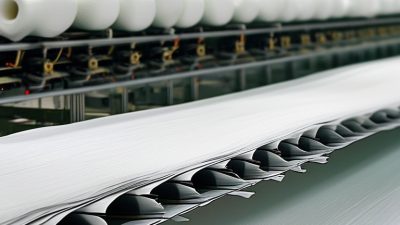
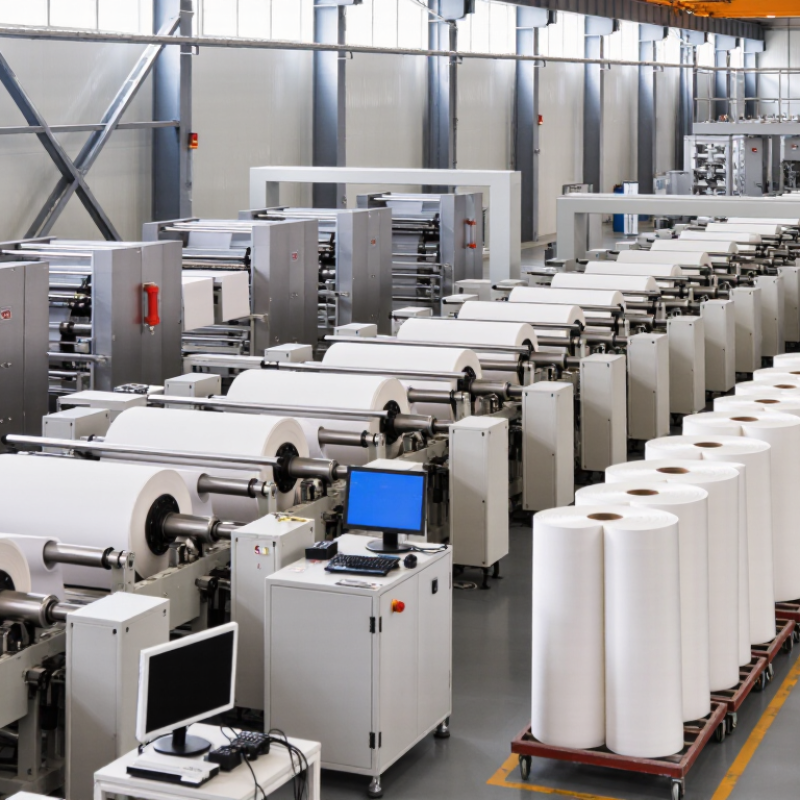
Airlaid nonwoven is a porous sheet made by dispersing loose fibers through air, not by weaving yarns. Most grades use cellulose pulp, sometimes blended with synthetic or bicomponent fibers for added strength. Air does the carrying. On a production line, pulp sheets are opened into fluffy fibers, then air carries them onto a moving forming screen. Vacuum beneath the screen holds the fibers in a soft web. Binders, heat-sensitive fibers, or both help secure the web; rollers and curing set its thickness and strength. The material is then trimmed and wound or cut into sheets.
EDANA’s 2023 European Nonwovens Statistics reported about 2.9 million tonnes of nonwoven production in Europe. That figure covers all technologies, not airlaid alone.
Airlaid’s open structure can absorb liquid and feel soft, making it useful in wipes, table products, and absorbent cores. Performance depends on fiber mix, basis weight, binder choice, and how evenly the web forms. The web is delicate. Tidy process diagrams hide a real challenge: small fiber clumps or moisture changes can create thin spots. Operators adjust airflow and vacuum throughout production, though no setting removes every variation.
How China’s Airlaid Nonwoven Industry Is Structured
China’s airlaid sector is best understood as a production chain, not a simple top-ten ranking. Upstream suppliers provide fluff pulp, cellulose fibers, binders, and absorbent polymers. Airlaid mills form dry webs, then bond them using thermal, latex, or hydrogen bonding. Converters cut and laminate rolls for hygiene products, wipes, and food-service applications. The China Industrial Textiles Industry Association’s 2023 industry review reported 8.14 million tonnes of nonwoven output, up 6.9% year on year. This covers all nonwovens, not airlaid alone. That distinction matters.
The market includes specialist airlaid producers, diversified nonwoven groups, and downstream converters with in-house lines. Scale alone can mislead: basis-weight consistency, dust control, pulp sourcing, and changeover performance can matter more to buyers. Domestic hygiene and absorbent-product makers influence local specifications, while export demand also shapes production. Public statistics rarely isolate airlaid capacity, so rankings need checking against actual process lines and product mix. I would not treat a broad nonwoven factory list as an airlaid ranking. That gap is real. Trade reports map the wider sector, but plant-level verification remains necessary.
Criteria for Identifying Leading Chinese Airlaid Nonwoven Manufacturers
A credible “top 10” list should compare measurable production performance, not factory size alone. EDANA’s 2023 statistics report European nonwoven production of 2,708,700 tonnes, down 5.5% from 2022. That figure covers nonwovens broadly, not airlaid alone, but it shows why capacity claims need context. Numbers matter. For Chinese manufacturers, request documented output by airlaid line, operating history, and evidence that monthly production matches quoted capacity.
Product consistency deserves close inspection. Compare basis-weight variation, absorbency, wet strength, lint, and sheet uniformity across several production lots. Ask for test methods and dated results, then check samples under realistic converting conditions. ISO 9073 includes methods for testing nonwoven properties, though buyers should select methods suited to the intended product. A polished brochure is not proof. Traceable raw-material records, preventive maintenance logs, and clear quality-control procedures provide stronger evidence. No scorecard is perfect; a brief audit can miss problems between shifts.
Environmental and commercial criteria also matter. Review energy and water monitoring, waste handling, worker training records, and corrective-action logs. Ask whether the supplier can explain a failed test and show what changed afterward. That answer can reveal more than a certificate. Compare lead times, minimum order quantities, export experience, and communication during specification changes. Use the same checklist for every candidate, and record exceptions rather than smoothing them over. A supplier may score well on capacity yet remain a poor fit for a narrow tolerance or frequent design change.
Profiles of 10 Major Airlaid Nonwoven Manufacturers in China
China’s airlaid nonwoven industry includes manufacturers with distinct production strengths, not one universally accepted top-ten ranking. A useful profile compares equipment, fiber handling, quality controls, and converting capacity. One supplier may specialize in high-volume rolls; another may focus on absorbent cores. Some produce hygiene-grade webs, while others serve food-pad or household-cleaning applications. Several offer custom basis weights and widths. Others emphasize recycled-fiber blends, medical-use materials, or integrated converting. Export-focused factories may provide detailed specifications, but buyers should verify each claim. These profiles describe capability patterns, not a confirmed ranking of named companies.
When reviewing manufacturers, ask for recent test data on absorbency, tensile strength, lint, and basis-weight consistency. Request samples from multiple production lots. A sheet can look uniform under bright light yet behave differently when wet or compressed. Check whether the factory controls fiber preparation, web formation, bonding, and final inspection. Also confirm minimum order quantities, lead times, and how defects are handled. Small details matter. Supplier descriptions can sound similar, and published information may leave gaps.
Tips: Compare like with like. Share your target application, dimensions, and test method before requesting quotations. Keep sample results and production specifications together.
Who Are the China Top 10 Airlaid Nonwoven Manufacturers?
Typical Airlaid Product Basis-Weight Ranges (g/m²)
Airlaid specifications vary by product design and supplier. These indicative application ranges provide industry context; they are not company-specific figures, rankings, or data disclosed by the manufacturers.
How to Compare Manufacturers by Products, Capacity, and Certifications
When comparing airlaid nonwoven manufacturers in China, begin with the product specification, not a sales label. Ask about basis weight, roll width, fiber composition, binder options, and available formats. A wipe substrate and an absorbent core may need very different strength, softness, and liquid-handling performance. Request samples with measured specifications. Small details matter.
Capacity claims need context. Ask how many lines produce the relevant grade, typical monthly output, and usual lead time. Check whether stated capacity reflects actual production or theoretical maximum output. A factory visit or recent production records can help verify the picture. Also compare minimum order quantities, changeover time, and quality checks between batches. A large number alone tells little.
Certifications should match the facility and product being offered. Review the certificate’s scope, issuing body, validity dates, and site address; don’t rely on a logo in a brochure. Ask for relevant test reports and details of routine quality controls. Requirements vary by end use and destination, so confirm them with your own technical or compliance team. Paperwork helps, but it does not replace a sample trial. I would also compare response times and how clearly a supplier handles specification changes; this is easy to overlook when building a comparison table.
Related Posts
-
Why Choose the Best Airlaid Nonwoven Manufacturers for Your Needs?
-
Top Nonwoven Manufacturers for 2026 Buyers Guide?
-
Top Tips for Sourcing Non Woven Textiles Globally
-
What is a Non Woven Machine and How Does It Work?
-
2026 Best Non Woven Cloth Cutting Machine Reviews and Buying Guide?
-
What is a Non Woven Machine Manufacturer and How to Choose?