Why Choose a Synthetic Textile Machine for Your Production Needs?
The textile industry is evolving rapidly. Synthetic textiles are at the forefront of this change. A report by Research and Markets indicates the global synthetic textile market is projected to reach USD 170 billion by 2025. This growth emphasizes the importance of investing in advanced machinery.
Synthetic Textile Machines have revolutionized production efficiency. They offer superior durability and versatility compared to natural fibers. For instance, these machines can produce lightweight, high-performance fabrics suitable for various applications. However, not all businesses are ready to embrace this technology fully. Some may hesitate due to initial costs or maintenance concerns.
Choosing the right Synthetic Textile Machine can yield significant benefits. Enhanced production speed and reduced waste are just a couple of advantages these machines provide. Yet, a common oversight is neglecting operator training. Companies should evaluate both the machinery and the skill of their workforce. Reflection on these aspects will lead to more informed decisions.
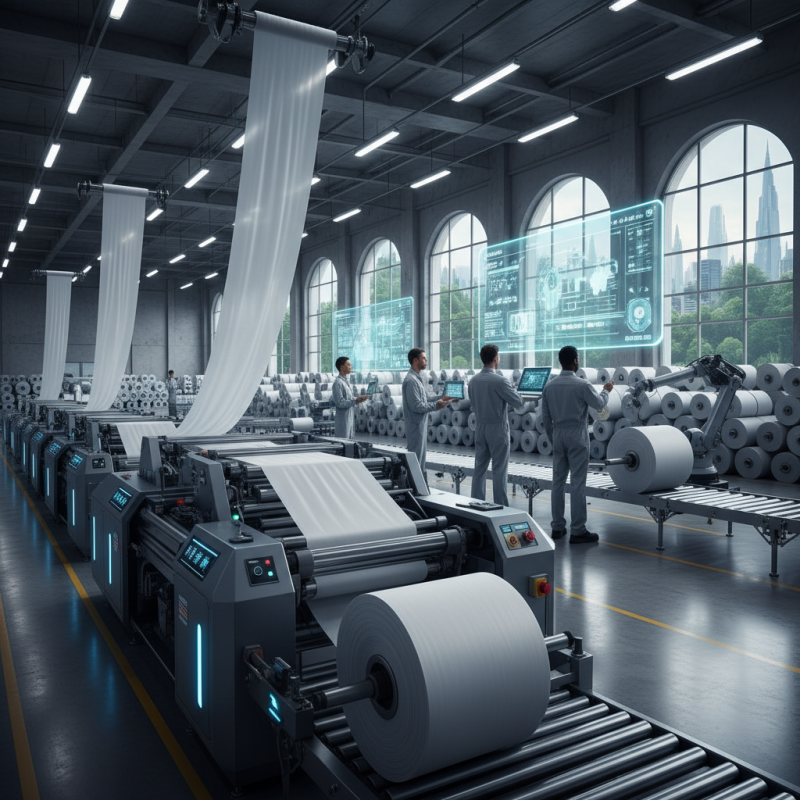
Advantages of Synthetic Textile Machines in Modern Manufacturing
Synthetic textile machines are increasingly becoming a must-have in modern manufacturing. They provide significant advantages that can enhance production efficiency. These machines often offer versatility, allowing manufacturers to create a variety of synthetic fabrics. This flexibility caters to diverse market needs, enabling quick changes in production lines.
Another advantage is the speed of production. Synthetic textile machines can operate much faster than traditional methods. This efficiency can lead to higher output levels. However, rapid production can come with its challenges. Sometimes, quality control may suffer due to the sheer volume of output. Manufacturers need to ensure that speed does not compromise the integrity of their products. Regular maintenance and checks are crucial in this context.
Cost-effectiveness is another reason to consider synthetic textile machines. They typically consume fewer resources. This reduced consumption can lead to lower operating costs. However, the initial investment might be substantial. Manufacturers should weigh the potential long-term savings against upfront expenses. Choosing the right machine is not just about being modern; it also requires thoughtful reflection on overall business strategies.
Market Trends Highlighting the Demand for Synthetic Textiles
The market for synthetic textiles is rapidly evolving. According to a report by Textile Exchange, the demand for these materials increased by 10% in the last year alone. This surge is driven by several factors, including sustainability and performance. Synthetic textiles, such as polyester and nylon, offer durability that natural fibers cannot match. They are water-resistant, lightweight, and often more affordable. Yet, the environmental impact of production raises questions.
Consumers are now more eco-conscious. Reports indicate that 72% of them prefer brands that prioritize sustainability. Brands are pushed to innovate by offering recycled synthetic options. There’s a noticeable shift toward bio-based alternatives as well. Yet, the challenge lies in balancing quality and environmental concerns. The industry must improve recycling processes and reduce waste.
The synthetic textile machine market is also reflecting this trend. Machines designed for efficiency are in high demand. A study suggests their adoption could increase production speed by 30%. However, not all manufacturers transition smoothly. Many face the hurdle of outdated machinery. Investing in new technology can be daunting. Yet, it is becoming essential to meet market expectations.
Technology Innovations Driving Efficiency in Synthetic Textile Production
In today's textile industry, synthetic materials are key for innovation and efficiency. Recent reports show that synthetic textiles account for over 60% of the total textile market. With advancements in technology, production methods are evolving rapidly. Manufacturers are investing in machines that optimize productivity. This shift is not just about speed but also quality.
The latest machinery incorporates automated processes. These reduce labor costs and minimize human error. Digital technology allows for real-time monitoring. Reports indicate these innovations can increase production efficiency by up to 30%. However, not every company has adopted these changes. Some remain hesitant due to the initial investment required.
Sustainability is another focal point. Machines are being designed to reduce waste and energy consumption. For instance, reports show that energy-efficient machines can decrease power usage by 25%. Yet, not all producers prioritize these sustainable options. Many still rely on outdated methods, which results in higher operational costs. Embracing new technology may be challenging but necessary. The industry must reflect on its practices to remain competitive.
Cost-Effectiveness of Synthetic Textile Machines in Mass Production
The cost-effectiveness of synthetic textile machines greatly enhances mass production efficiency. Reports indicate that adopting these machines can reduce production costs by up to 30%. This significant reduction is largely due to their ability to operate continuously with minimal downtime. Data from industry analyses suggests that synthetic textiles can yield higher profits when produced at scale.
Labor costs also see a decrease. Automated machines require fewer operators, and less manual labor leads to a more streamlined operation. According to a recent survey, companies using synthetic textile machines reported a 40% reduction in labor-related costs. However, initial investments for these machines can be substantial. The long-term savings often justify the upfront expenses, but not every business sees immediate returns.
Durability and quality of synthetic textiles are key advantages. These machines produce consistent, high-quality fabrics. However, not all synthetic materials perform equally; some may degrade faster than expected. It's crucial for manufacturers to assess material longevity when making production choices. Push for innovation remains essential. Addressing issues around sustainability can enhance the overall efficiency of the textile production process.
Environmental Considerations in the Use of Synthetic Textiles and Machines
The use of synthetic textiles has grown significantly. These materials offer durability and versatility, making them popular. However, their environmental impact raises concerns. The production of synthetic textiles involves petrochemicals, which contribute to pollution.
Research shows that over 60% of synthetic textiles end up in landfills, where they can take hundreds of years to decompose. Moreover, microplastics from synthetic fabrics pollute oceans, harming marine life. A recent report indicated that the textile industry is responsible for about 10% of global carbon emissions. This is a staggering figure that calls for urgent action.
Tips: Consider using recycled polyester. It reduces waste and energy consumption. Also, implement a waste management system in your production line. This can minimize your environmental footprint. Reflect on your production methods. Are they sustainable? There is always room for improvement.
Why Choose a Synthetic Textile Machine for Your Production Needs? - Environmental Considerations in the Use of Synthetic Textiles and Machines
| Aspect | Synthetic Textiles | Natural Textiles | Environmental Impact |
| Production Efficiency | High | Lower | More intensive resource use |
| Durability | Very High | Moderate | Less frequent replacements |
| Biodegradability | Low | High | Longer landfill impact |
| Water Use | Low | High | Less impact on water resources |
| Carbon Footprint | Medium | High | Higher emissions from processing |