Why Is the Non Woven Fabric Industry Growing Rapidly?
The non woven fabric industry is thriving. Recent market research reveals significant growth, projected to reach $50 billion by 2025. Key drivers include increasing demand in healthcare, hygiene products, and packaging.
Expert in the field, Dr. Linda K. Wu, notes, “The versatility of non woven fabrics is reshaping multiple industries.” This adaptability is evident in applications ranging from medical supplies to automotive components. However, sustainability concerns pose challenges. The industry must address the environmental impact of production and disposal processes.
The rapid expansion is encouraging, yet it raises questions. Are manufacturers prepared for the responsibility that growth entails? Balancing innovation with sustainability will be crucial. The future of the non woven fabric industry depends on its commitment to both progress and environmental stewardship.
Overview of the Non-Woven Fabric Industry and Its Importance
The non-woven fabric industry is witnessing significant growth. This surge is driven by various factors. Non-woven fabrics are made from fibers bonded together through different methods. They replace traditional materials in many applications. This innovation leads to cost-effective and lightweight solutions.
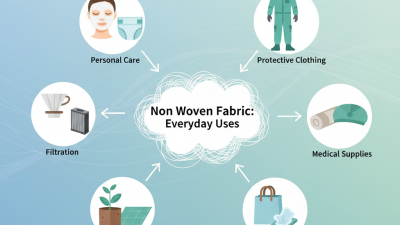
Non-woven fabrics play a crucial role in various sectors. They are essential in medical, hygiene, and construction applications. For instance, surgical masks and disposable gowns benefit from their properties. These fabrics are breathable and provide a protective barrier. In the automotive industry, they serve as sound absorption materials.
Despite their advantages, challenges exist. The production process can be energy-intensive and may lead to waste. Sustainable practices are often overlooked in pursuit of quick profits. As demand grows, the industry must address these issues. Finding a balance between innovation and sustainability is vital for long-term success.
Key Drivers Behind the Rapid Growth of Non-Woven Fabrics
The non-woven fabric industry is experiencing remarkable growth. Several key drivers are propelling this trend. The demand for hygiene products has increased significantly. Non-woven fabrics are widely used in disposable items like surgical masks and diapers. This growth in healthcare and personal care sectors cannot be overlooked.
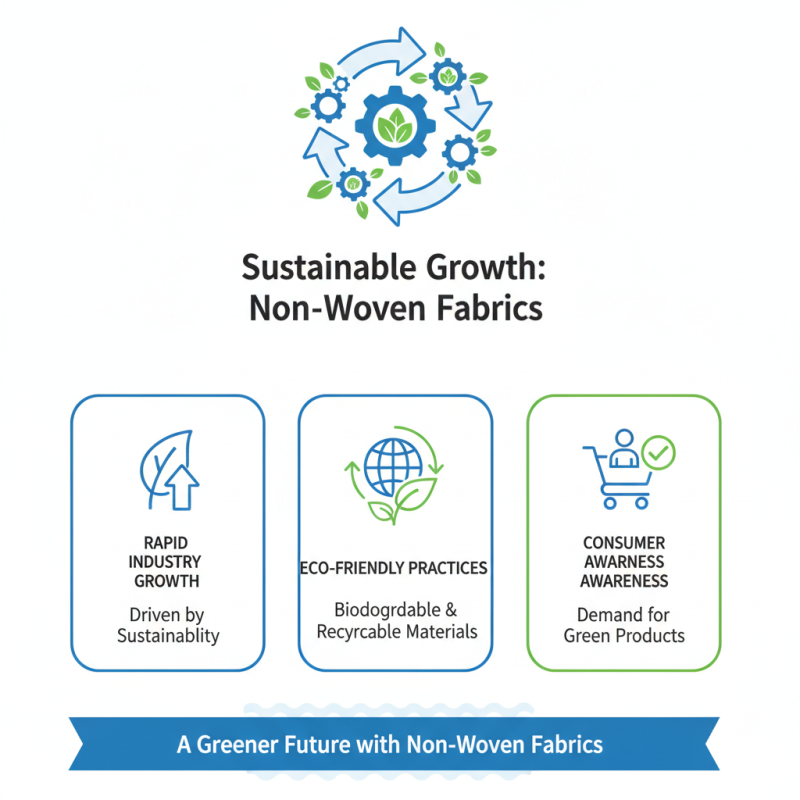
Another driver is the environmental shift towards sustainability. Non-woven materials can be made from recycled fibers. They’re often lighter than traditional fabrics. This results in reduced material consumption and waste. Consumers are becoming more aware of their choices. They prefer products that are eco-friendly, contributing to the industry's expansion.
However, the rapid growth comes with challenges. Not all non-woven fabrics are recyclable, which poses environmental concerns. Some manufacturers may cut corners to meet demand. The need for quality assurance is crucial in this fast-paced market. Addressing these issues is essential for sustainable growth considering the current demand landscape.
Technological Advancements Fueling Non-Woven Fabric Production
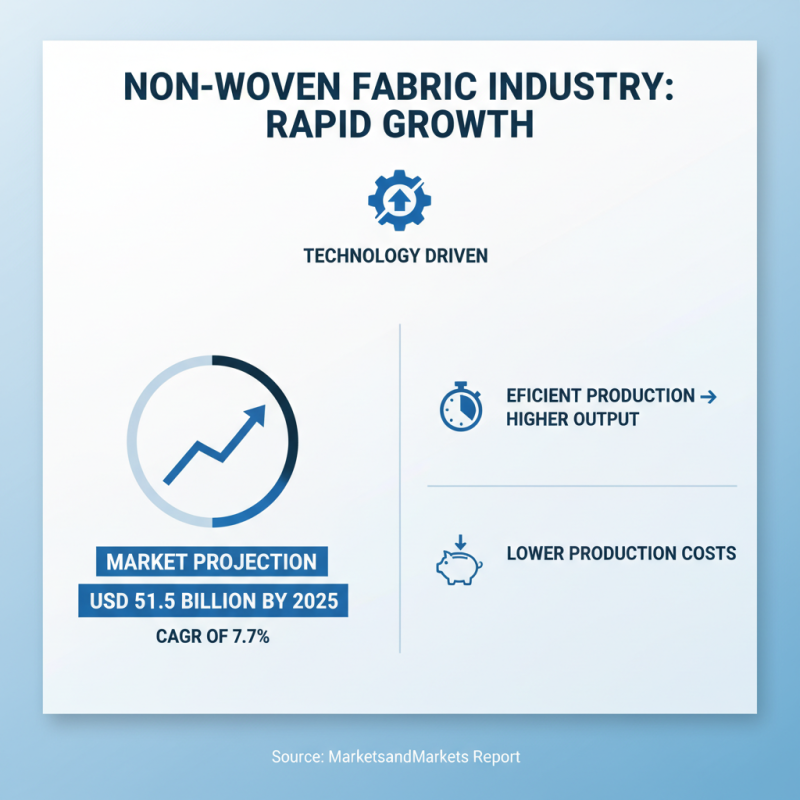
The non-woven fabric industry is experiencing rapid growth, driven significantly by technological advancements. According to a recent report from MarketsandMarkets, the global non-woven fabric market is projected to reach USD 51.5 billion by 2025, expanding at a CAGR of 7.7%. This growth reflects a shift towards more efficient production methods, enabling higher output and lower costs.
Recent innovations in manufacturing processes, such as spunbond and meltblown technologies, have transformed production efficiency. For instance, spunbond technology allows for the creation of lighter, stronger fabrics. This is crucial for industries like healthcare and automotive, where material performance directly impacts safety and quality. Moreover, advancements in automation have minimized human error and improved consistency in product quality.
Despite these advancements, there are challenges. The dependency on fossil fuel-based materials raises concerns about sustainability. Moreover, the rapid pace of technological change can create a skills gap in the workforce. Companies struggle to adapt to new technologies and may fall behind competitors. Balancing innovation with environmental responsibility remains a pressing need within the industry.
Diverse Applications of Non-Woven Fabrics in Various Industries
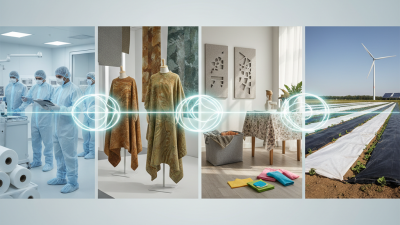
Non-woven fabrics are increasingly popular due to their versatility. They are used in various industries, from healthcare to automotive. In the medical field, these fabrics are crucial for creating gowns, masks, and surgical drapes. Their lightweight nature allows for excellent breathability while providing essential protection. This combination of safety and comfort makes them ideal for medical workers.
In the automotive sector, non-woven fabrics serve multiple purposes. They are used for insulation, interior linings, and even noise control. Their durability and adaptability help enhance vehicle performance and comfort. However, challenges remain. The environmental impact of synthetic materials raises concerns. Recycling and sustainable production methods need more attention to ensure a positive future for this growing industry.
In the home textile industry, non-woven fabrics find their way into items like curtains and upholstery. These materials can mimic the look of traditional textiles while offering unique benefits. Still, they may lack the longevity of woven fabrics. Consumers often face a dilemma between cost-effectiveness and quality. Balancing these factors is an ongoing challenge as demand continues to rise.