What is a Non Woven Machine and How Does It Work?
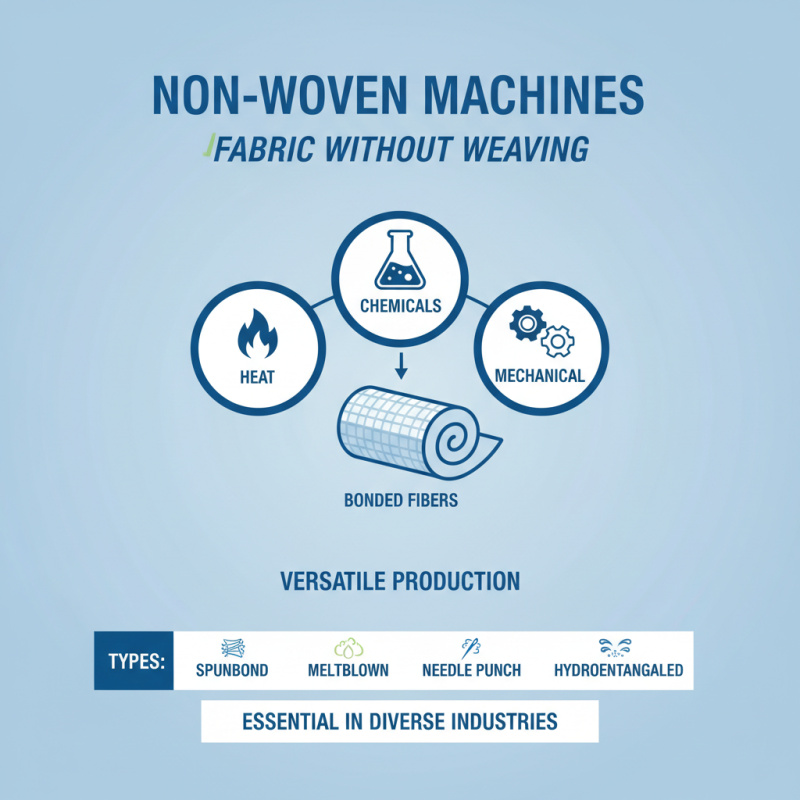
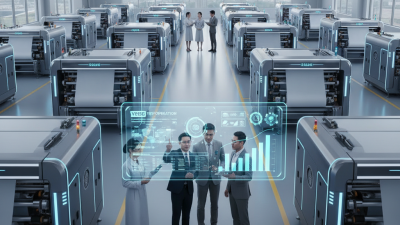
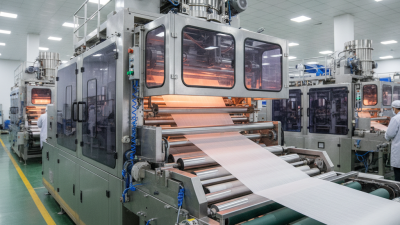
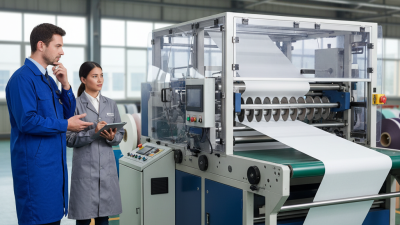
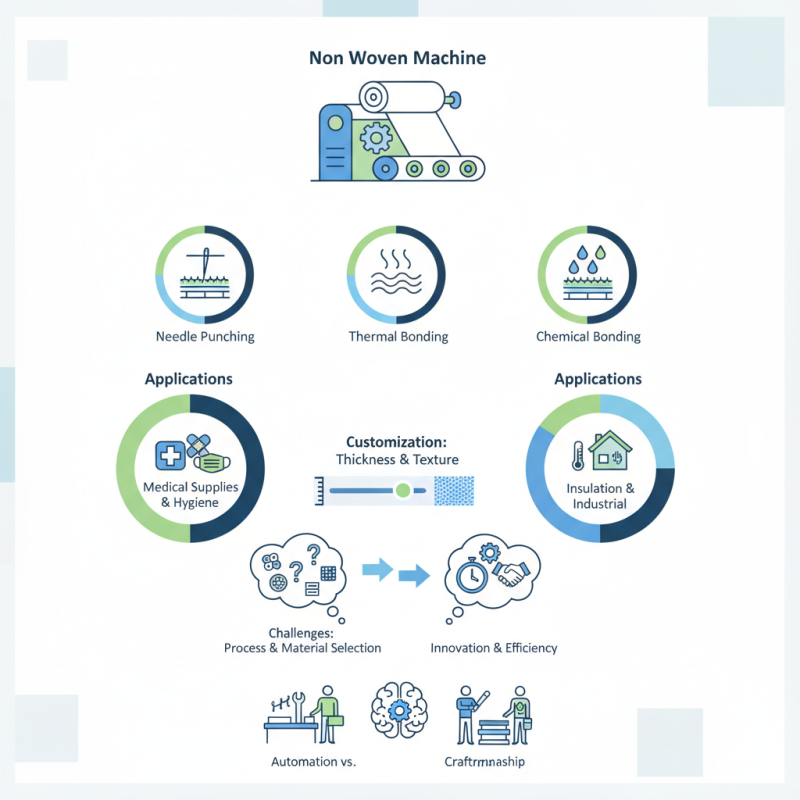
A non woven machine plays a crucial role in the textile and manufacturing industries. Unlike traditional weaving, this technology creates fabric without the need for fibers to be interlaced. It uses various processes such as needle punching, thermal bonding, or chemical bonding to produce non woven fabric efficiently.
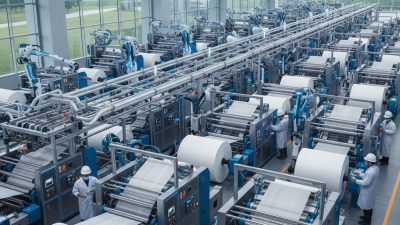
These machines are versatile and can produce materials for various applications. They are widely used in medical supplies, hygiene products, and insulation materials. The ability to customize thickness and texture offers significant advantages to manufacturers. However, there are challenges too. Selecting the right process and materials can be complex. Each choice affects the durability and usability of the final product.
Understanding how a non woven machine operates can help businesses innovate and improve their production efficiency. It invites reflection on the balance between automation and craftsmanship in fabric manufacturing. Exploring these machines reveals their importance in meeting modern demands while addressing quality concerns.
What Are Non Woven Machines and Their Key Components?
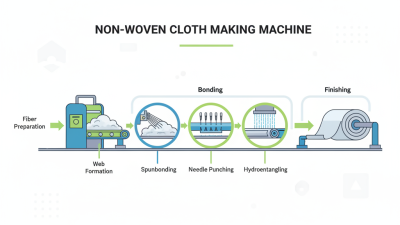
Non woven machines are specialized equipment designed to produce non woven fabrics. These fabrics are made by bonding fibers together, rather than weaving them. The key components of a non woven machine include the feeding system, forming unit, bonding section, and winding unit. Each part plays a vital role in the manufacturing process, ensuring the final product meets specific requirements.
The feeding system introduces raw materials into the machine. It must maintain a consistent flow to avoid interruptions. The forming unit then arranges these fibers into a desired pattern. This step can exhibit some flaws if the fibers are not evenly distributed. Next, the bonding section utilizes heat, pressure, or chemicals to secure the fibers. This can lead to variations in fabric strength if not properly controlled. Finally, the winding unit collects the finished fabric onto rolls for packaging and shipping.
Understanding the components of non woven machines helps in troubleshooting issues. Many operators encounter challenges with fiber delivery or bonding efficiency. Regular maintenance is crucial to minimize defects. Even well-designed systems can experience inconsistencies. Continuous learning and adaptation are necessary for optimizing production.
The Working Mechanism of Non Woven Machines Explained
Non woven machines are essential in the manufacturing of various non-woven fabrics. These fabrics are made from fibers that are bonded together without weaving. The working mechanism involves several key processes. Initially, raw fibers are fed into the machine. They are then laid down in a web formation. This can be achieved through different methods, such as needle punching or thermal bonding.
The bonding process is critical. It strengthens the fabric and determines its final properties. Depending on the intended application, the machine adjusts temperature and pressure. The outcome often relies on precision. Sometimes, operators might face challenges with fiber distribution. Maintaining consistency is vital but can be tricky.
**Tips:** Regular maintenance of non woven machines ensures optimal performance. It’s wise to inspect components frequently. This can help identify wear and prevent breakdown. Experimenting with different fiber types can lead to innovative fabric compositions. Always be ready to adapt your processes as needed.
Applications of Non Woven Fabrics in Various Industries
Non woven fabrics have found diverse applications across various industries, significantly influencing production processes. In the healthcare sector, non woven materials are used extensively for surgical gowns, masks, and bedding. According to a recent market research report, the healthcare segment is expected to grow at a CAGR of 6.2% through 2025. This growth underscores the importance of non woven fabrics in ensuring safety and hygiene.
In the automotive industry, non woven fabrics serve purposes from insulation to filtering. Their lightweight nature contributes to fuel efficiency. A study estimates that using non woven components can reduce vehicle weight by up to 10%. However, there are challenges. Some manufacturers struggle with consistency in fabric quality, affecting performance. Addressing these discrepancies is crucial for maintaining standards.
The construction industry also benefits greatly. Non woven geotextiles improve soil stability and drainage. This application is vital for infrastructure projects. However, limitations exist regarding environmental sustainability. Many non woven fabrics are petroleum-based, raising concerns about their ecological impact. Finding alternatives may lead to a more sustainable approach in the long run.
Global Market Trends: Non Woven Machine Industry Insights and Data
The non-woven machine market has seen significant growth in recent years. Demand for non-woven fabrics is rising, driven by various industries. Hygiene products, medical textiles, and filtration are major applications. These machines use specific processes to create fabric without weaving. The simplicity of this process can sometimes lead to oversights in quality control.
Recent data shows a surge in investment within this sector. Manufacturers are shifting focus to sustainable practices. Eco-friendly materials are in demand, reflecting broader trends in consumer choices. However, some companies struggle to keep pace with these changes. There is a gap between technological advancements and traditional practices.
Innovation is crucial for success in the non-woven machine industry. Many companies are exploring automation to improve efficiency. Yet, some still rely on outdated methods, which can hinder productivity. This inconsistency highlights the need for a reevaluation of operational strategies. Embracing new technologies can help businesses stay competitive in a rapidly evolving market.
Non Woven Machine Industry Insights and Data
| Dimension |
Value |
| Global Market Size (2023) |
$12 Billion |
| Annual Growth Rate (CAGR 2023-2030) |
7.5% |
| Key Application Areas |
Medical, Hygiene, Geotextiles, Automotive |
| Leading Technology Type |
Spunbond and Meltblown |
| Top Regions |
North America, Europe, Asia-Pacific |
| Average Machine Price |
$250,000 |
| Manufacturing Capacity per Hour |
1500 kg |