What is a Non Woven Production Line and How Does It Work?
In the world of textiles, the "non woven production line" plays a pivotal role in modern manufacturing. Dr. Emily Carter, an industry expert, states, “Non woven materials are the backbone of many essential products today.” This statement underscores the significance of these production lines in creating versatile materials for various applications.
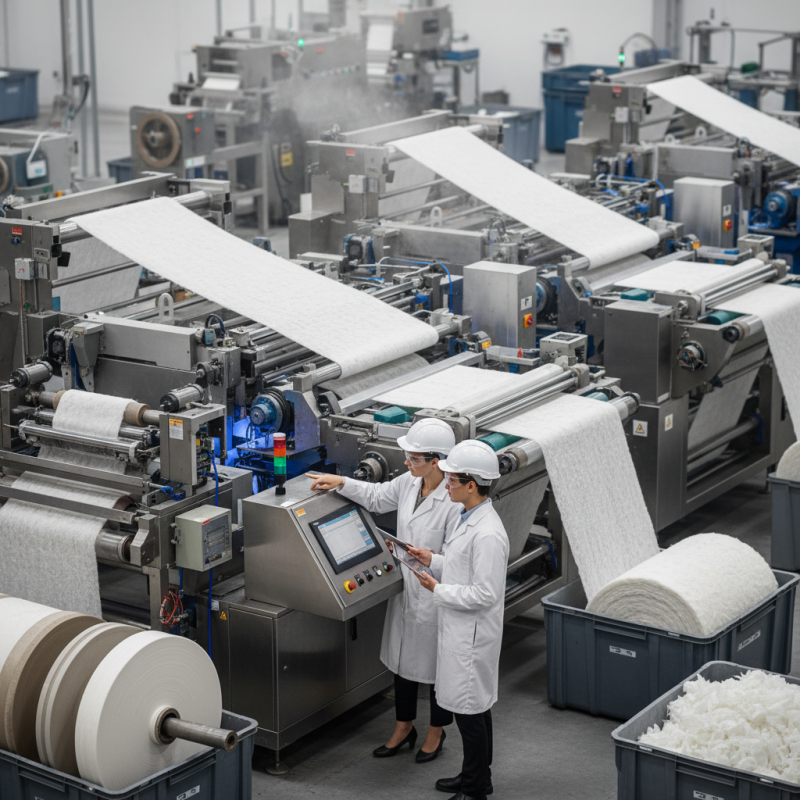
A non woven production line typically involves the formation of fabrics without weaving processes. This technology has transformed industries by offering efficient solutions for producing items like filters, medical supplies, and insulation materials. The production process itself often involves steps like fiber bonding and layering, each of which must be precisely controlled for quality.
However, challenges remain in optimizing these lines. Factors such as equipment efficiency and waste management require constant improvement. Working with a non woven production line can be complex. It demands an understanding of materials and machinery. For industry professionals, reflecting on these aspects is crucial for achieving better results.
What is Non Woven Fabric and Its Applications in Various Industries
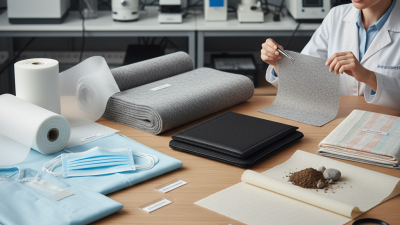
Non woven fabrics have gained significant traction across various industries due to their versatility. These materials are made by bonding fibers together through heat, chemical, or mechanical processes. According to a recent report by Smithers Pira, the global nonwoven fabric market is projected to reach USD 50 billion by 2025. This growth can be attributed to the increasing demand for hygiene products and medical applications.
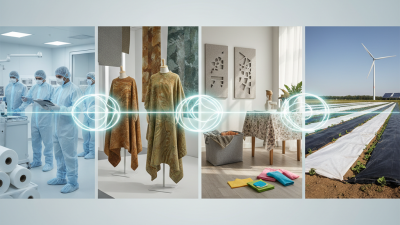
In the healthcare sector, non woven fabrics are essential in producing products like surgical masks and gowns. They provide a barrier against pathogens while ensuring breathability. Additionally, the automotive industry utilizes nonwovens for interior components and noise reduction materials. The lightweight nature of these fabrics contributes to fuel efficiency, making them an attractive choice for manufacturers.
However, the production and disposal of non woven fabrics pose challenges. The reliance on synthetic materials raises environmental concerns. Although some nonwovens are biodegradable, many end up in landfills. Efforts to develop sustainable alternatives are ongoing, but progress is slow. The complexity of recycling nonwovens needs careful evaluations and solutions. A shift towards eco-friendly materials is necessary to balance industry growth and environmental responsibility.
Non-Woven Fabric Production by Industry
This chart displays the production volume of non-woven fabrics across various industries, showcasing the diverse applications of these materials in sectors such as hygiene, medical, automotive, and construction.
Key Components of a Non Woven Production Line Explained
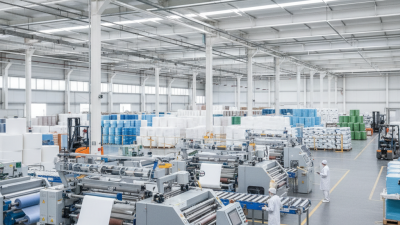
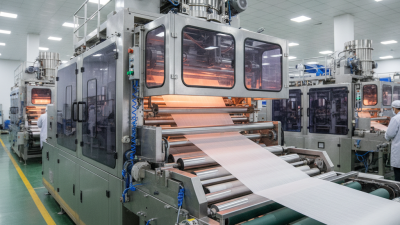
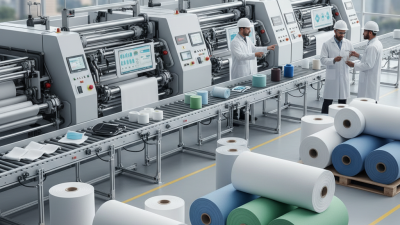
A non woven production line is a sophisticated setup that produces various types of non woven materials. Understanding its key components is essential for effective operation.
The primary component is the fiber feeding system. This system introduces raw fibers into the production line. It requires careful coordination to ensure the fibers are evenly distributed. An inconsistent feed can lead to defects in the final product.
Another critical part is the web formation unit. This unit lays out the fibers into a mat. Different techniques can be used here, such as air laying or wet laying. Selecting the right method depends on the intended use of the non woven material.
Tips: Regular maintenance of machinery is vital. Breakdown can halt production and increase costs. Monitoring the fiber feed quality can prevent future issues. Always analyze finished products to identify areas for improvement. These steps are often overlooked, yet they greatly impact efficiency.
What is a Non Woven Production Line and How Does It Work? - Key Components of a Non Woven Production Line Explained
| Component |
Description |
Function |
| Feed Opening |
Area where raw materials are introduced for processing |
Initial stage of the production process |
| Carding Machine |
Machine that separates and aligns fibers |
Creates a uniform fiber web |
| Cross-Lapper |
Equipment that layers fiber webs at a right angle |
Enhances density and uniformity |
| Needle Punching Machine |
Uses barbed needles to entangle fibers |
Forms a cohesive non-woven fabric |
| Hydroentanglement Unit |
Utilizes high-pressure water jets on fibers |
Creates stronger fabric without chemicals |
| Drying Unit |
Removes moisture from the fabric |
Prepares fabric for further processing |
| Roller Winder |
Winds finished fabric onto rolls |
For convenient storage and transport |
The Manufacturing Process of Non Woven Fabrics: Step-by-Step Overview
The manufacturing of non-woven fabrics involves several critical steps. Typically, the process begins with fiber selection. Synthetic fibers, like polypropylene, are frequently used. According to a recent report, the global non-woven fabric market is projected to reach $50 billion by 2026, indicating a growing demand for these materials.
Next, fibers are bonded using various methods. One popular technique is the dry-laid process. In this method, fibers are laid down randomly and then bonded through thermal or chemical means. Despite its efficiency, the dry-laid method can result in uneven thickness. This inconsistency can affect the final product's quality and pricing, leading to potential waste.
After bonding, the fabric is often rolled and prepared for further processing. Finishing treatments may be applied to enhance properties like water resistance or softness. Industry experts suggest that about 30% of the production line can be optimized. By refining techniques, manufacturers can reduce costs and improve product quality. However, some facilities struggle with outdated equipment which limits their capacity for innovation.
Industry Standards and Quality Control Measures in Non Woven Production
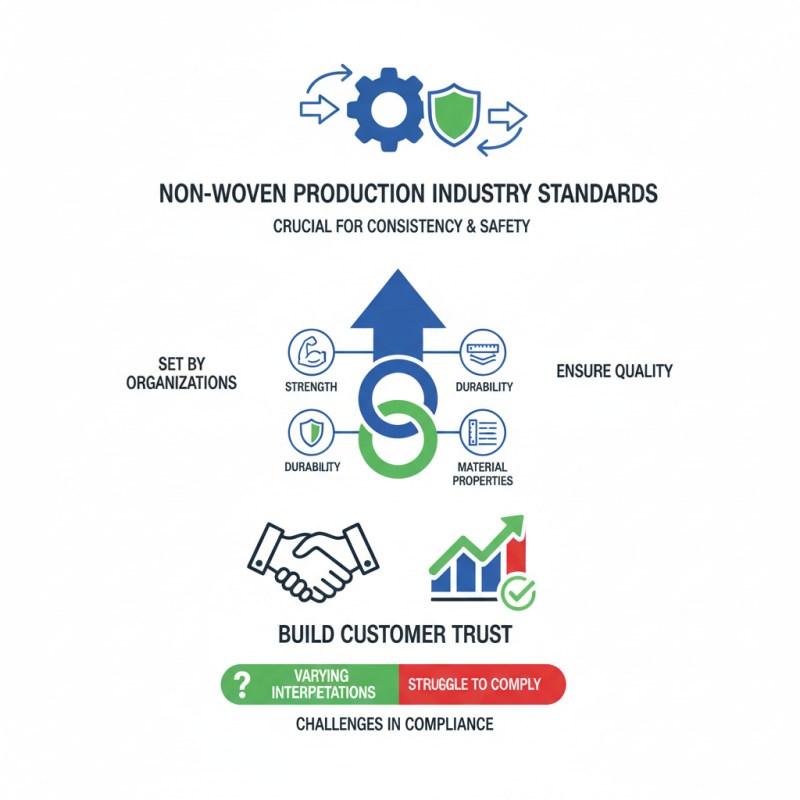
In the non-woven production industry, adhering to industry standards is crucial. These guidelines ensure consistency and safety in the manufacturing process. Various organizations set these standards, detailing acceptable levels for material properties, such as strength and durability. Compliance with these benchmarks is essential for building trust with customers. Yet, many manufacturers struggle to meet them due to varying interpretations of what constitutes compliance.
Quality control measures play a pivotal role in production. Regular testing of raw materials ensures they meet expected criteria. In-process inspections allow for the detection of defects early. However, these measures can sometimes be overlooked. Some manufacturers do not fully embrace a proactive quality culture. This can lead to wasted resources and unsatisfactory products reaching the market. Addressing these gaps is vital for improvement. A continuous feedback loop can help align production with standards, promoting better outcomes.
Global Market Trends and Future Outlook for Non Woven Fabrics
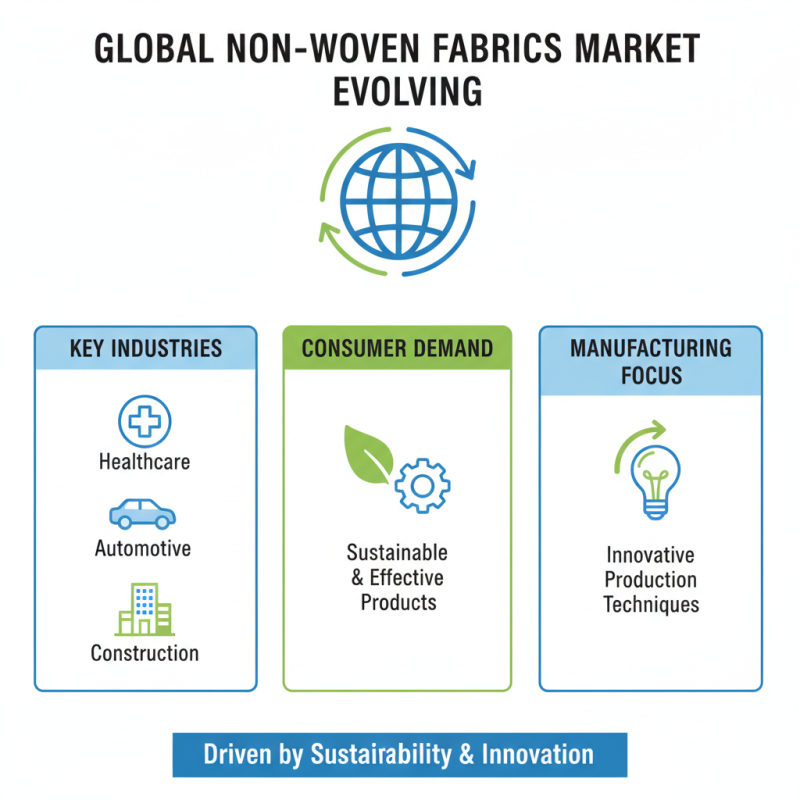
The global market for non woven fabrics is evolving swiftly. These fabrics are widely used in various industries, including healthcare, automotive, and construction. Consumers seek products that are both sustainable and effective. As a result, manufacturers are focusing on innovative production techniques.
Sustainability is a key driver of change. Eco-friendly materials gain popularity. This trend compels manufacturers to invest in research and development. Many producers face challenges in transitioning to sustainable methods. The balance between cost and ecological impact is a constant struggle. Companies must adapt or risk falling behind.
Market analysts predict growth for non woven fabrics. New applications continue to emerge in hygiene products and filtration systems. However, some companies hesitate to shift strategies. Uncertainty about future regulations adds to the complexity. The landscape is competitive, and only the most adaptable will thrive. Keeping an eye on trends will be essential for long-term success.