Top Nonwoven Manufacturers for 2026 Buyers Guide?
As the demand for innovative materials continues to rise, the landscape of nonwoven manufacturers is evolving rapidly. Experts in the field, like Dr. Emily Chen, a renowned materials scientist, have emphasized, "The future of textiles lies in nonwovens." This statement reflects the significant role that nonwoven materials will play in various industries, from healthcare to construction.
In 2026, identifying the top nonwoven manufacturers will be crucial for buyers looking to source high-quality products. These manufacturers not only need to deliver reliability but also innovate in material performance. Current trends indicate that sustainability is becoming a key focus, forcing manufacturers to rethink their processes. However, not all companies may adapt effectively, leading to inconsistent product quality.
It's essential to recognize that not every manufacturer will meet expectations. Some may struggle with scaling research into production. Buyers must remain vigilant and do thorough research. This task could be challenging, but it ensures informed decisions. Ultimately, in a dynamic industry like nonwovens, understanding the strengths and weaknesses of different manufacturers plays a vital role in business success.
Overview of Nonwoven Fabrics and Their Applications
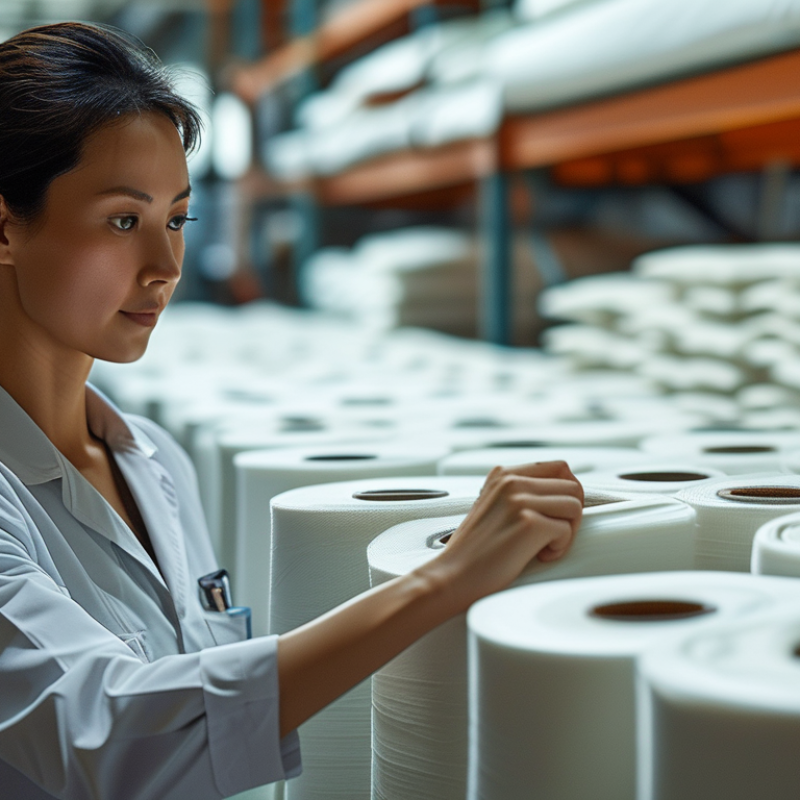
Nonwoven fabrics are engineered materials made from fibers, not woven threads. They offer diverse applications across multiple industries. The global nonwoven fabric market was valued at around $50 billion in 2021 and is expected to grow significantly, projected to exceed $75 billion by 2026.
One notable application of nonwoven fabrics is in the medical sector, particularly for surgical gowns and masks. These materials provide excellent barrier properties while being lightweight. A study from Smithers reported that the medical segment accounted for nearly 30% of the total nonwoven market share in 2021. Such fabrics also play a critical role in hygiene products, such as diapers and feminine hygiene items. Their absorbent nature and comfort make them essential for consumer convenience.
Interestingly, despite the growing use of nonwoven fabrics, challenges remain. The environmental impact of production and disposal is a concern. Reports indicate that many nonwoven products are single-use, leading to significant waste. Industry leaders are now focusing on sustainable alternatives and recycling methods. This shift is vital for balancing performance and environmental responsibility. The future of nonwoven fabrics lies in innovation and eco-friendly practices, offering potential for both industry growth and sustainability.
Key Criteria for Selecting Nonwoven Manufacturers
Choosing the right nonwoven manufacturer is crucial for businesses looking to thrive in 2026. According to a report by Smithers Pira, the global nonwoven fabrics market is expected to reach $50 billion by 2026, highlighting the need for discerning buyers. Key criteria play a significant role in this selection process.
Start by assessing the manufacturer's technology and production capabilities. Advanced technologies can lead to higher quality products. Additionally, sustainability practices are becoming increasingly important. A manufacturer committed to eco-friendly processes will likely appeal more to environmentally conscious clients.
When evaluating potential partners, consider their certifications. Compliance with industry standards, like ISO and ASTM, guarantees product reliability. A manufacturer’s track record in on-time delivery and customer service can also reflect their overall quality.
It's important to reflect on potential blind spots in your selection process. Do not overlook smaller companies that may offer innovative solutions. Sometimes, these players have unique strengths that larger manufacturers might lack. Always investigate beyond the surface to find the best fit for your needs.
Top Global Nonwoven Manufacturers to Watch in 2026
The global nonwoven fabric market is set to expand significantly by 2026. According to a recent report, the market is projected to reach USD 50 billion. This growth stems from rising demand in various sectors, such as hygiene products and medical applications. The healthcare industry, in particular, will drive the evolution of nonwoven textiles. They offer high absorbency and comfort in medical environments.
Leading manufacturers will focus on sustainability and innovative materials. Advanced technologies are expected to enhance the performance of nonwovens. Reports indicate that polyester and polypropylene dominate the market. However, trends are shifting toward biodegradable options and recycled materials. Adapting to these changes is crucial for market players. Tracking environmental regulations will also be essential as buyers become more eco-conscious.
It’s important for buyers to assess the capabilities of manufacturers. Look for those that prioritize research and development. Testing product durability and performance is vital before making purchases. Engage with suppliers to understand material sourcing practices. Many buyers are overlooking lifecycle impacts. Keeping these factors in mind will lead to more informed decisions.
Top Nonwoven Manufacturers for 2026 Buyers Guide
| Manufacturer Type |
Production Capacity (tons/year) |
Main Application Areas |
Headquarters Location |
Year Established |
| Spunbond |
50,000 |
Medical, Hygiene |
USA |
1995 |
| Meltblown |
30,000 |
Filtration, Medical |
Germany |
2000 |
| Hydroentangled |
25,000 |
Automotive, Wipes |
Japan |
2010 |
| Needlepunched |
40,000 |
Geotextiles, Construction |
China |
2005 |
| Thermal Bonded |
35,000 |
Hygiene, Home textiles |
Italy |
1990 |
Emerging Trends and Innovations in Nonwoven Materials
The nonwoven materials industry is experiencing rapid growth, driven by innovation and changing consumer demands. According to recent research, the global nonwoven fabric market is projected to reach $60 billion by 2026, expanding at a CAGR of 6% from 2021 to 2026. This growth is largely influenced by advancements in sustainability and biodegradable materials.
Emerging trends include the development of smarter, more functional nonwovens. Manufacturers are investing in technologies that enhance product performance. For instance, antimicrobial nonwovens are gaining traction in the healthcare sector. These materials provide crucial protection against infections, showcasing their potential in personal protective equipment. Reports indicate that this segment alone is expected to grow significantly, highlighting a need for continuous innovation.
Furthermore, the use of recycled fibers in nonwoven production is becoming commonplace. Environmental concerns drive this shift, as both consumers and manufacturers seek greener options. However, challenges remain in ensuring consistent quality and performance when integrating recycled materials. The industry must address these hurdles for true sustainability to be realized. Balancing innovation with environmental responsibility presents an ongoing challenge.
Top Nonwoven Manufacturers for 2026 Buyers Guide
Future Challenges and Opportunities for Nonwoven Industry Leaders
The nonwoven industry faces a dynamic landscape as we approach 2026. Leaders must navigate several challenges, including fluctuating raw material costs and environmental regulations. Sustainability is a pressing issue. Many manufacturers are exploring ways to produce eco-friendly nonwovens. This includes using recyclable materials and reducing waste in production processes.
Innovation is another critical area. Companies need to invest in advanced technologies to stay competitive. Smart textiles and biodegradable options are gaining traction. These innovations not only meet market demand but also address consumer concerns about environmental impact.
However, the road ahead is not fully clear. With rapid changes in consumer preferences, businesses must remain agile. They must continuously adapt their strategies. Market research and customer feedback will be essential tools for success. Industry leaders must reflect on their approaches and be open to pivoting when necessary. Balancing innovation with sustainability could be the key to their enduring success in a shifting market.