How to Source Quality Non Woven Fabric for Your Business?
Sourcing quality non woven fabric is crucial in today's booming non woven fabric industry. As businesses seek sustainable and innovative materials, understanding the sourcing process becomes essential. However, navigating this landscape can be challenging. With numerous suppliers and types of non woven fabrics available, it's easy to feel overwhelmed.
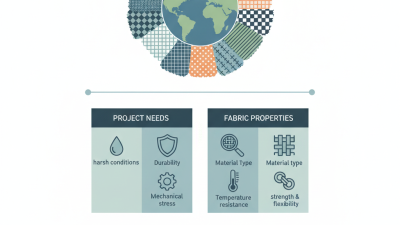
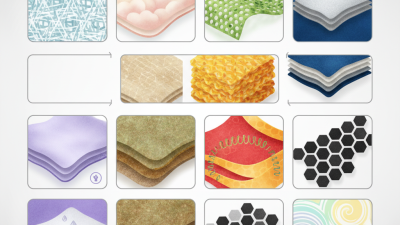
The non woven fabric industry offers a diverse range of products, each with unique properties. Some fabrics are lightweight and breathable, while others provide durability and strength. The right choice can significantly affect product quality and overall business success. It's important to not only consider immediate needs but also long-term sustainability.
While many suppliers market their materials as the best, not all live up to the claims. Businesses must research thoroughly and assess reliability. Look for suppliers with a track record of quality and responsibility. Engaging with industry experts can provide valuable insights. Ultimately, successful sourcing is about balancing quality, cost, and the right partnerships in the non woven fabric industry.
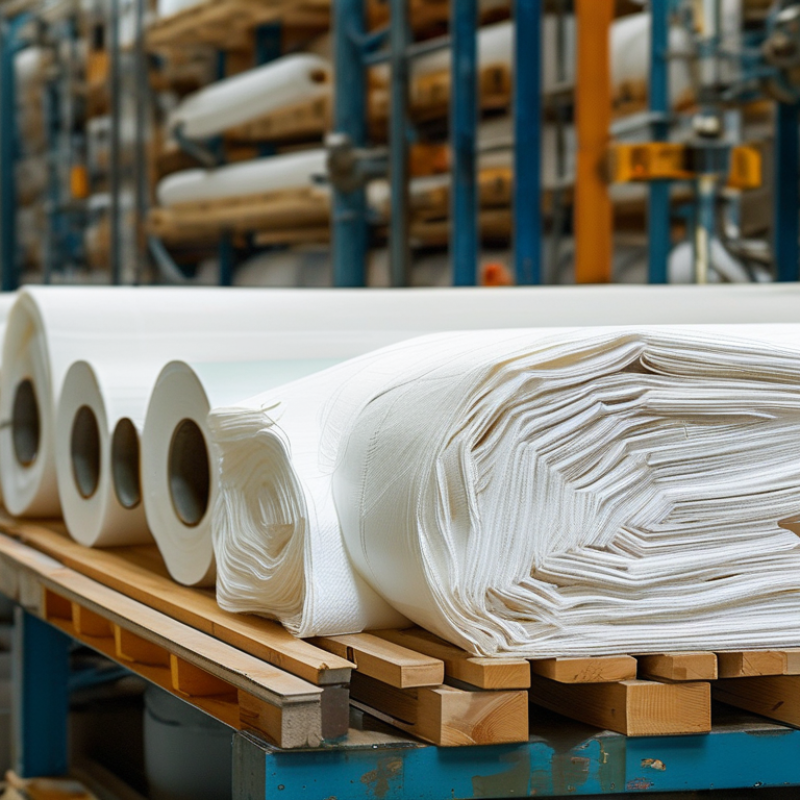
Understanding Non Woven Fabric and Its Applications in Business
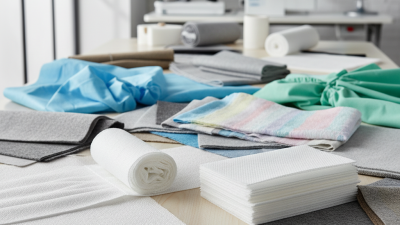
Non woven fabric is a versatile material increasingly used across various industries. It is created by bonding fibers together through heat, moisture, or chemical methods, eliminating the need for traditional weaving. This fabric is lightweight yet durable, making it suitable for applications such as surgical masks, filters, and insulation. According to a report by Research and Markets, the global non woven fabric market is projected to reach USD 43.2 billion by 2025, indicating a substantial growth opportunity for businesses involved in sourcing and production.
Understanding the specific applications of non woven fabric is essential for making informed sourcing decisions. For instance, in the healthcare sector, non woven fabrics are preferred for their breathability and fluid resistance properties. Additionally, in the packaging industry, they are appreciated for their eco-friendliness and ability to be produced in various colors and patterns. However, sourcing quality non woven fabric can present challenges, such as inconsistent quality and differing supplier standards. Companies must prioritize working with reputable suppliers to ensure reliability and performance.
Decision-makers should be aware that not all non woven materials are created equal. Different manufacturing processes can significantly affect the fabric's properties. Evaluating the intended application is crucial to choose the right type. While the industry shows promising growth, businesses must remain vigilant about sourcing practices to avoid potential pitfalls.
Identifying Reliable Suppliers for Quality Non Woven Fabrics
When sourcing non woven fabric, finding reliable suppliers is crucial. According to industry reports, the global non woven fabric market is projected to reach $39 billion by 2027, growing at a rate of 6% annually. This growth indicates a competitive landscape where quality is paramount. To ensure the materials meet your requirements, evaluating supplier experience and production capabilities is essential.
Reach out to multiple suppliers. Assess their certifications and references to gauge their reliability. Look for suppliers with a strong track record in meeting industry standards. Many manufacturers hold certifications like ISO 9001, which indicates a commitment to quality management. However, not all suppliers are transparent about their processes. This can lead to supply challenges and quality issues.
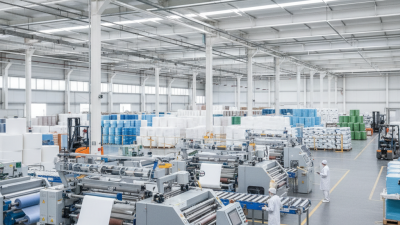
Conducting site visits is highly recommended. Observing production practices can provide valuable insights. Discussing material specifications directly with suppliers can enhance mutual understanding. Quality should never be compromised for cost. Prioritize suppliers that show transparency and a commitment to sustainable practices, as this is increasingly important in today’s market.
Evaluating the Quality and Specifications of Non Woven Fabrics
When evaluating the quality of non-woven fabrics, several key specifications should be considered. Weight, for instance, often affects the fabric's durability and performance. Most quality non-woven fabrics range from 30 to 300 grams per square meter (gsm), with heavier fabrics generally providing greater strength. According to a recent report by Smithers Pira, the global non-woven fabric market is expected to grow at a CAGR of 6.5% from 2021 to 2026. This underscores the growing demand for quality products.
Besides weight, the material composition is crucial. Non-woven fabrics can be made from polyester, polypropylene, and other synthetic fibers. The choice of fiber impacts its uses, ranging from medical applications to geotextiles. A study from the Nonwovens Institute suggests that polypropylene-based non-wovens have superior barrier properties, making them ideal for certain industries. However, sourcing fabrics with the right specifications can sometimes be challenging. Factors such as production methods and supplier reliability can influence overall quality.
Another critical factor is the fabric’s ability to withstand various environmental conditions. Testing for water resistance, UV stability, and breathability are essential in understanding a fabric's performance. Some fabrics may look good on paper, yet under testing, they reveal weaknesses. Thus, companies must remain vigilant in sourcing processes, ensuring that not just the appearance of the fabric meets standards, but its functionality does as well.
Negotiating Prices and Terms with Fabric Suppliers
When sourcing quality non-woven fabric, negotiating prices and terms with suppliers is crucial. Establish a clear understanding of your needs before entering negotiations. Know the specifications of the fabric, such as weight, strength, and intended use. This clarity will empower you during discussions.
Engage in open dialogue with suppliers. Ask about their production capabilities and lead times. Some suppliers may offer bulk discounts, but be cautious of minimum order quantities that may not suit your needs. Building a relationship based on trust can lead to better terms. Don’t hesitate to share your budget constraints; this transparency can facilitate more favorable negotiations.
After initial discussions, review the proposed terms carefully. Take note of payment conditions, shipping costs, and return policies. Don't rush into agreements. Sometimes, suppliers might seem inflexible on price, which can be an opportunity for further negotiation. Reflect on your priorities. Are you compromising quality for a lower price? Always strive for a balance between cost and quality. This approach enhances long-term supplier relationships.
Establishing Long-term Relationships with Non Woven Fabric Vendors
Establishing a long-term relationship with vendors is crucial for sourcing quality non woven fabric. Frequent collaboration leads to better pricing and consistency. The global non woven fabric market was valued at approximately $35 billion in 2022 and is expected to grow at a CAGR of 6.5% through 2030. This growth highlights the importance of securing reliable suppliers to ensure the availability of high-quality materials.
Engaging in open communication is vital. Discuss your needs upfront and be clear about quality standards. Vendors appreciate when buyers are honest about their expectations. Regular feedback helps in building trust. According to a recent survey, 75% of companies that maintained close ties with their vendors reported improved product quality. This statistic emphasizes that partnership matters more than transactional relationships.
Consider conducting quality assessments periodically. While long-term contracts can be beneficial, they may also lead to complacency. Remain proactive in evaluating performance. A good vendor will welcome constructive criticism. When issues arise, addressing them quickly can prevent larger problems down the line. A sustainable vendor relationship requires constant engagement and mutual understanding.
How to Source Quality Non Woven Fabric for Your Business? - Establishing Long-term Relationships with Non Woven Fabric Vendors
| Vendor Location |
Fabric Type |
Minimum Order Quantity |
Lead Time |
Price Range (per kg) |
| China |
Spunbond Non Woven |
1,000 kg |
2 weeks |
$2.00 - $3.00 |
| India |
Bico Non Woven |
500 kg |
3 weeks |
$1.50 - $2.50 |
| Vietnam |
Meltblown Non Woven |
700 kg |
4 weeks |
$2.50 - $4.00 |
| Turkey |
Needle Punched Non Woven |
1,500 kg |
3 weeks |
$3.00 - $4.50 |
| USA |
Composite Non Woven |
300 kg |
1 week |
$2.80 - $3.80 |