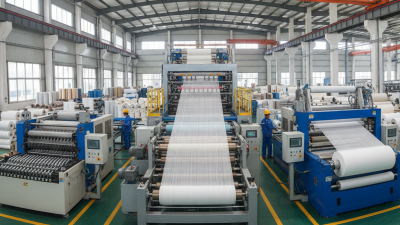
7 Tips for Choosing a Non Woven Fabric Production Line
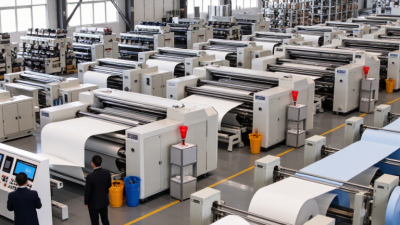
Choosing a non woven fabric production line is a technical decision, not a simple equipment purchase. The right system must match your fiber type, target weight, fabric width, output volume, and finishing requirements. It should also support stable quality when production conditions change.
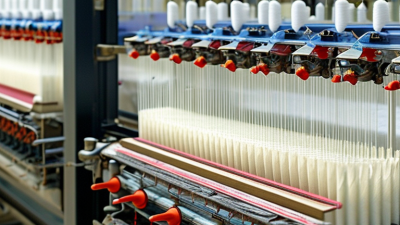
Dr. Behnam Pourdeyhimi, a respected nonwovens researcher, has said, “Nonwovens are engineered materials.” That idea matters here. A line designed for lightweight hygiene fabric may perform poorly with heavy geotextiles. Likewise, impressive speed means little if web formation becomes uneven or energy use rises sharply. Small details matter. Fiber opening, carding accuracy, bonding temperature, and winding tension can all affect the final roll.
This guide presents seven practical tips for evaluating a non woven fabric production line. It considers machine configuration, supplier experience, automation, maintenance access, energy efficiency, testing capability, and future expansion. These points reflect common factory experience, but no checklist can replace a site-specific assessment. That is the uncomfortable part.
Ask for verified production data. Inspect similar installations. Study the fabric sample, not just the brochure. A reliable supplier should explain limits clearly and provide realistic performance figures. Operators should also examine cleaning access, spare-part availability, and training support before signing an agreement. The cheapest line may become expensive through waste, downtime, and inconsistent output. Careful selection takes longer, but it usually protects quality, productivity, and investment over time.
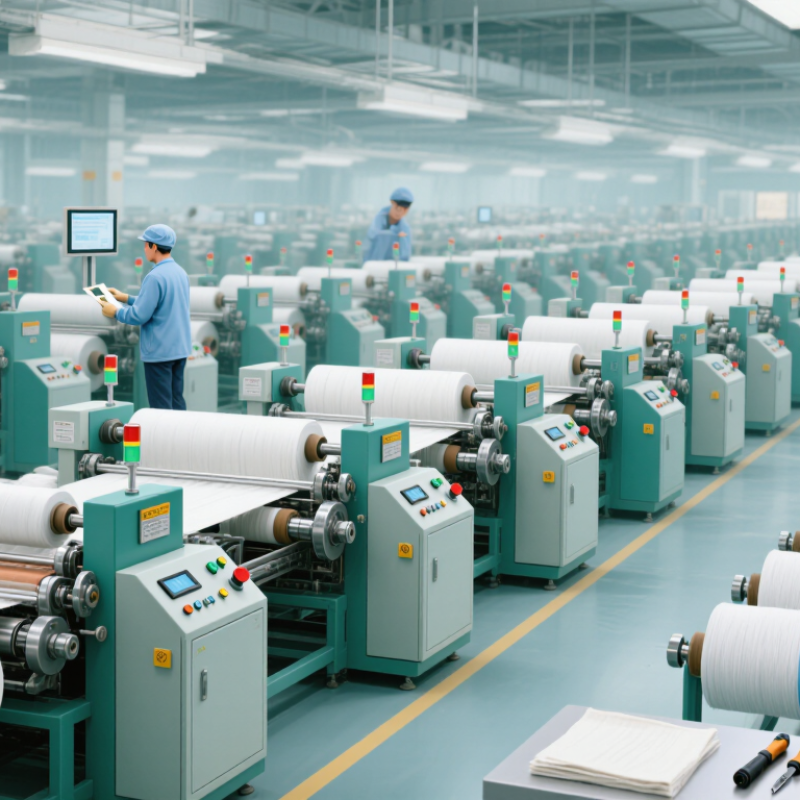
Define Your Required Non Woven Fabric Products and Output Capacity
Before choosing a non woven fabric production line, define the exact products you plan to sell. Spunbond, meltblown, SMS, and agricultural covers need different process settings. Each product also has its own basis weight, width, strength, and softness requirements. A medical-grade material may require tighter quality control than a simple packaging fabric.
Write down your target output in practical terms. Include kilograms per hour, roll width, fabric weight, and expected operating hours. For example, producing 20 gsm fabric at 3.2 meters wide is different from producing 80 gsm fabric at the same speed. Check your real orders, not only optimistic sales forecasts. I have seen new projects choose oversized equipment and struggle with low utilization. A neat spreadsheet can still be wrong.
Tips: Prepare three production scenarios. Use a minimum, normal, and peak monthly demand. Ask the equipment supplier to calculate output for each fabric specification. Request sample trials using your planned raw material. Observe web uniformity, edge stability, winding quality, and waste levels. Record power consumption and changeover time. Small details matter. Also, leave room for future products, but avoid paying for every possible option. Your first plan may need revision after testing, and that is normal.
Compare Production Line Types and Their Manufacturing Processes
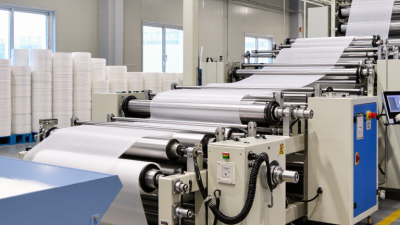
Choosing a non woven fabric production line starts with the fabric structure, not the machine price. Spunbond lines extrude polymer, stretch continuous filaments, and bond them with heat. They suit strong, lightweight sheets for packaging or hygiene layers. Meltblown lines use finer fibers and hot air. This process creates dense filtration media, but output can be less forgiving. Small temperature changes may alter fiber diameter. That matters.
Needle-punched lines mechanically entangle staple fibers with thousands of barbed needles. They handle recycled fibers and produce felt-like materials for filtration, flooring, and automotive interiors. Spunlace lines use high-pressure water jets instead. They create soft, flexible webs, though water treatment and drying require serious planning. Thermal-bonded lines rely on heat-sensitive fibers or powders. They can offer clean surfaces, but fiber blending must remain consistent. Compare raw-material preparation, line speed, energy use, and bonding strength before deciding.
A practical evaluation should include a sample run with your actual fiber blend. Check web weight, tensile strength, thickness, and edge stability after production. Ask how quickly operators can change width or clean the forming section. Maintenance access is often overlooked. It should not be. Review calibration records, safety controls, spare-part availability, and operator training. Calculate water, electricity, compressed air, and waste costs per kilogram. The cheapest line can become expensive when downtime grows. Laboratory results may not match continuous production. Leave room for trials, adjustments, and a few disappointing batches.
Evaluate Raw Material Compatibility and Product Quality Control
Choosing a non woven fabric production line begins with raw material compatibility. Different fibers behave differently during opening, carding, web formation, and bonding. Check fiber length, denier, moisture content, melting range, and recycled-material consistency. A supplier should provide test data, not only attractive machine specifications. I once assumed similar fibers would process identically. That assumption was wrong. Small differences caused uneven webs and frequent line adjustments.
Tip 1
Request a material trial before purchasing. Run your actual fiber through the proposed equipment. Examine web uniformity, bonding strength, dust levels, and production stability. Ask technicians to record settings, temperature changes, and waste rates. These records reveal practical limits. They also support future troubleshooting. Do not accept a perfect demonstration without asking how defects were handled.
Tip 2
Build quality control into every stage. Install checks for fabric weight, thickness, tensile strength, elongation, air permeability, and visual defects. Samples should come from the beginning, middle, and end of each roll. Calibrated instruments matter. So does operator training. Set clear acceptance ranges, but review them when raw materials change.
Tip 3
Require batch traceability for fibers, additives, machine settings, and test results. A simple digital log can expose recurring problems faster than memory. Leave room for improvement. Even a well-designed line may need slower speeds, revised temperatures, or better maintenance after real production begins.
Check Automation, Energy Use, Maintenance, and Technical Support
Choosing a non woven fabric production line requires more than checking output speed. Automation should control web tension, temperature, dosing, and winding with stable feedback. Manual adjustments can create uneven basis weight and unnecessary material waste. A useful but imperfect rule is to compare automation functions, not just the number of sensors. Industry 4.0 adoption reports from the International Society of Automation show that connected monitoring improves process visibility, although installation quality still determines results.
Energy use deserves careful measurement. The International Energy Agency reported that industry consumed about 37% of global final energy in 2022. On a non woven line, heating zones, motors, fans, and compressed air can dominate consumption. The U.S. Department of Energy notes that compressed air commonly uses 10–15% of a plant’s electricity. Ask suppliers for energy data per kilogram of finished fabric, under defined speed and product conditions. Vague “low-energy” claims are not enough.
Maintenance access can protect production better than impressive maximum speed. Check bearing locations, filter changes, belt replacement time, and fault-recording functions. Predictive maintenance research from Deloitte indicates that data-based programs can reduce downtime and maintenance costs, but results vary by plant discipline. Technical support should include response times, remote diagnostics, spare-parts planning, and operator training. It is easy to underestimate training. That mistake is expensive. Request service records, commissioning procedures, and references from comparable production environments before signing.